
 English
 中文简体
中文简体
Search By Posts
Product Category
Industry News
 By Admin
Dicumene & Melamine Cyanurate Flame Retardant Performance Guide
Content For halogen‑free flame retardant systems in polyamides, polyesters, and polyurethanes, the combination of Dicumene‑based phosphorus flame retardants and melamine cyanurate provides a reliable route to UL 94 V‑0 at lower total additive loadings than either component used alone. The optimal weight ratio falls between 2:1 and 3:1 of melamine cyanurate to Dicumene phosphinate, typically requiring a total loading of 15–20 wt% in PA6. This co‑additive approach raises the Limiting Oxygen Index to 32–35%, while maintaining a Comparative Tracking Index above 400 volts, making it particularly effective for thin‑walled electrical components that must meet both flammability and electrical insulation standards. The mechanism is a direct interplay between gas‑phase radical quenching from the phosphorus moiety and the fuel‑diluting, endothermic decomposition of the nitrogen‑based melamine cyanurate. Together they suppress both flaming combustion and melt‑drip ignition, producing a dense, insulating char layer that stops fire propagation. Dicumene‑based flame retardants, primarily represented by aluminum dicumyl phosphinate, are organic phosphorus compounds with a phosphorus content of 23–24 wt%. Their decomposition onset temperature lies above 350°C, which enables them to survive high‑temperature extrusion and injection moulding without degrading. The flame retardant action occurs mainly in the gas phase through the release of phosphorus‑containing radicals that scavenge active H• and OH• species, interrupting the combustion chain reaction. At the same time, a small amount of phosphoric acid formed promotes charring at the condensed phase. Compared to many ammonium polyphosphate systems, Dicumene phosphinates show exceptionally low water solubility of less than 0.1 g per 100 ml and minimal migration over time. This leads to high CTI retention and no surface blooming, which is critical for printed circuit board connectors and other exposed electrical parts. Melamine cyanurate (MCA) is a supramolecular adduct of melamine and cyanuric acid. It undergoes sublimation at approximately 320°C and endothermic decomposition beyond 400°C, releasing a large volume of inert nitrogen‑rich gases. This mechanism dilutes flammable decomposition products and cools the substrate. In polyamide 6, a loading of 18% MCA alone can lift the UL 94 rating from HB to V‑2 by forcing flame‑quenching melt drips; however, the resulting material often suffers from a drop in elongation at break to below 10%. The primary limitations of MCA as a single additive are its relatively modest effect on LOI and its tendency to reduce tracking resistance. Adding a phosphinate co‑agent addresses both weaknesses while allowing the total additive package to be reduced, preserving more of the base polymer’s mechanical properties. The data illustrates that the 15% MCA plus 5% Dicumene phosphinate combination yields a V‑0 rating while recovering tensile strength relative to the 15% phosphinate‑only compound, and improving CTI significantly compared to MCA alone. This balance is the practical reason this blend is preferred for connector and switch applications where both mechanical and tracking resistance are tested. Dicumene phosphinates must be processed at melt temperatures not exceeding 310°C to prevent thermal degradation, while melamine cyanurate remains stable up to 330°C. To achieve homogeneous dispersion and avoid agglomerates, it is recommended to first dry both additives at 80°C for 4 hours and then blend them with the base polymer pellets using a high‑speed mixer at 1000 RPM for 3 minutes. The premix should then be fed into a co‑rotating twin‑screw extruder equipped with a medium‑shear screw profile; over‑shearing can raise melt temperature from 290°C to above 315°C locally, risking phosphinate decomposition and gloss reduction. For injection‑moulded parts with wall thickness below 0.8 mm, the ratio can be shifted to 12% MCA and 6% Dicumene phosphinate in PA66, which consistently yields V‑0 at 0.8 mm with a CTI above 500 V. In polyurethane foam and textile back‑coatings, a liquid dispersion of melamine cyanurate together with a micronised Dicumene phosphinate at a 4:1 dry weight ratio passes the NFPA 701 vertical burn test without halogenated additives. Both Dicumene phosphinates and melamine cyanurate are registered as non‑hazardous under most global chemical inventories and are compatible with RoHS directives, making the combination suitable for consumer electronics and children’s furniture produced for export markets. The synergy between Dicumene‑type phosphorus flame retardants and melamine cyanurate is not empirical folklore but a quantifiable interaction that lowers overall additive loading while enhancing electrical tracking resistance and maintaining mechanical toughness. Begin formulation development with a 3:1 MCA to Dicumene ratio and adjust based on thin‑wall moulding requirements. This structured approach allows material engineers to hit strict UL 94 V‑0 targets without sacrificing processability or long‑term dielectric performance.The Direct Answer: Achieving UL 94 V-0 with Dicumene and Melamine Cyanurate Synergy
Dicumene‑Type Phosphorus Flame Retardants: Chemistry and Thermal Profile
Melamine Cyanurate: The Nitrogen‑Based Drip Suppressant
Synergistic Performance Data: Single Additives Versus Co‑Blend
MCA (wt%)
Dicumene Phosphinate (wt%)
UL 94 Rating
LOI (%)
CTI (Volts)
Tensile Strength (MPa)
0
0
HB
21
>600
75
20
0
V‑2
28
350
60
0
15
V‑0
32
550
58
15
5
V‑0
34
450
65
Processing Windows and Dispersion Requirements
Thin‑Wall Applications and Regulatory Compliance
The Bottom Line: A Data‑Driven Approach to Formulating with Dicumene and MCA
NEXT:Flame Retardant Guide: Mechanisms, Types, Standards & Safe Selection
Recommended products
-
2,3-Dimethyl-2,3-Diphenylbutane (Dicumene)
-
Benzene,1,4-bis(1-methylethyI)-,Homopolymer
-
2-Hydroxyethylhydrazine
-
Acethydrazide
-
Tert-Butyl peroxybenzoate(TBPB)
-
Benzoyl Peroxide(BPO)
-
1,2-Hexanediol
-
Pentylene Glycol
-
Caprylohydroxamic Acid
-
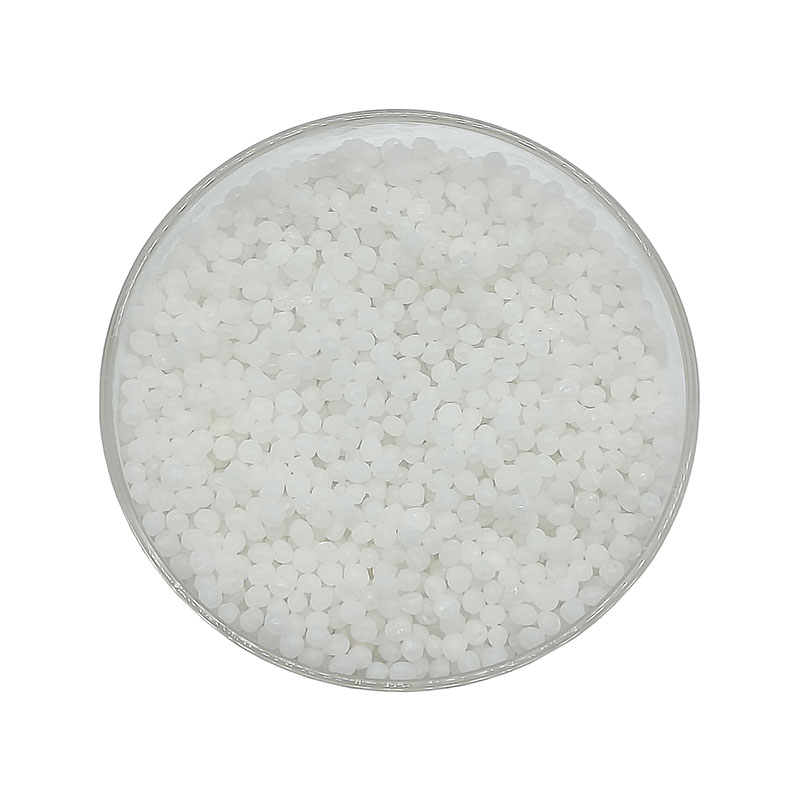
Melamine Cyanurate
-
Di-Tert-Butyl Peroxide(DTBP)
-
XPS Special Masterbatch
COMPANY PROFILE
CONTACT INFO
- Phone: +86 18114870532
- Tel: +86 510-86686637
- Email: [email protected]
- Add: No.5 Shuangquan village, Diaoqi village., Xuxiake Town, Jiangyin, Jiangsu, China

Copyright © Jiangsu Suoteng New Material Technology Co., Ltd. All Rights Reserved.Custom Chemicals Organic Compounds Manufacturers
 Disclaimer
Privacy
苏ICP备2024090995号
Disclaimer
Privacy
苏ICP备2024090995号