
 English
 中文简体
中文简体
Search By Posts
Product Category
Industry News
 By Admin
DMDPB (CAS 1889-67-4): Complete Guide to 2,3-Dimethyl-2,3-diphenylbutane Applications
Content DMDPB, chemically known as 2,3-dimethyl-2,3-diphenylbutane with CAS registry number 1889-67-4, is a symmetrical organic compound belonging to the class of substituted ethanes. This crystalline solid features a central carbon-carbon bond connecting two quaternary carbon atoms, each substituted with one methyl group and one phenyl group. The molecular formula C18H22 corresponds to a molecular weight of 238.37 g/mol, placing it in the category of low-molecular-weight hydrocarbon derivatives with significant industrial utility. The compound's unique structural characteristic lies in its extremely weak central C-C bond, which exhibits bond dissociation energy approximately 30-35% lower than standard carbon-carbon single bonds. This structural instability makes DMDPB a highly efficient free radical initiator and crosslinking agent, as thermal or mechanical energy readily homolyzes the central bond to generate two stable tertiary carbon radicals. These radicals subsequently initiate polymerization reactions or form crosslinks between polymer chains. Understanding the physical characteristics of DMDPB enables proper handling, storage, and application in industrial processes. The compound demonstrates stability under ambient conditions while possessing reactive potential upon thermal activation. DMDPB undergoes homolytic cleavage at the central C-C bond when heated above its activation threshold. The decomposition generates two equivalent 2-methyl-2-phenylpropyl radicals, which are resonance-stabilized by the adjacent phenyl rings. This decomposition occurs with first-order kinetics and predictable activation energy of approximately 125-135 kJ/mol, enabling precise control in industrial processes. The clean radical generation without oxygen or other byproducts distinguishes DMDPB from peroxide initiators that release volatile decomposition products. The primary industrial application of DMDPB involves crosslinking polyolefins and other polymers through free radical mechanisms. When incorporated into polymer matrices and heated above decomposition temperature, DMDPB generates radicals that abstract hydrogen from polymer chains, creating macroradicals that subsequently recombine to form carbon-carbon crosslinks. In polyethylene systems, DMDPB loading levels of 0.5% to 2.0% by weight achieve gel contents exceeding 70%, indicating extensive network formation. Crosslinked polyethylene exhibits improved heat resistance (usable up to 105°C versus 80°C for uncrosslinked), enhanced chemical resistance, and reduced creep under mechanical load. Silane-grafting processes for PEX pipe manufacturing historically utilized DMDPB as co-initiator, though modern formulations have partially transitioned to alternative systems. Ethylene-propylene-diene monomer (EPDM) rubbers benefit from DMDPB-initiated crosslinking, particularly in applications requiring odor-free vulcanization. Traditional sulfur curing systems produce characteristic rubber odors and potential allergenic byproducts, whereas DMDPB-mediated crosslinking yields neutral-smelling products suitable for automotive interior components and medical devices. Typical formulations incorporate 1.0-3.0 phr (parts per hundred rubber) DMDPB with processing temperatures of 160-200°C. Beyond crosslinking, DMDPB serves as a synergist in halogen-containing flame retardant formulations. The compound enhances char formation during combustion and promotes crosslinking of degraded polymer chains, creating protective intumescent barriers that limit heat and mass transfer. During fire exposure, DMDPB undergoes thermal decomposition to generate radicals that interact with halogen radicals from accompanying flame retardants such as decabromodiphenyl ether or hexabromocyclododecane. This interaction promotes crosslinking in the condensed phase, increasing melt viscosity and preventing dripping that spreads flames. Simultaneously, the radical cascade interrupts gas-phase combustion reactions. Formulations containing 5-15% DMDPB alongside halogenated additives achieve UL-94 V-0 ratings at reduced total additive loadings compared to halogen-only systems. Electrical insulation compounds utilize DMDPB to meet stringent flame retardancy standards while maintaining processability. A typical formulation for wire coating might contain 28% decabromodiphenyl ether, 7% antimony trioxide, and 3% DMDPB in polypropylene matrix. This combination achieves oxygen index values above 28% and passes vertical flame tests required for automotive and building wire applications. The DMDPB component reduces total additive content by approximately 15% compared to formulations lacking the synergist. Laboratory chemists employ DMDPB as a radical initiator for various organic transformations, capitalizing on the controlled generation of stable tertiary radicals. The compound offers advantages over traditional initiators like benzoyl peroxide or azobisisobutyronitrile (AIBN) in specific applications. DMDPB-initiated radical additions to alkenes proceed under mild thermal conditions without oxygen incorporation. The generated 2-methyl-2-phenylpropyl radicals add across double bonds with regioselectivity determined by steric and electronic factors. These reactions achieve yields of 60-85% for activated olefins and provide routes to compounds difficult to access through ionic mechanisms. The absence of nitrile groups from DMDPB-derived radicals simplifies product purification compared to AIBN-initiated processes. Surface modification of polymers through grafting of functional monomers utilizes DMDPB to create radical sites on inert substrates. Polypropylene films treated with DMDPB at 180°C subsequently exposed to acrylic acid vapor achieve grafting densities of 10-50 micrograms per square centimeter. These modified surfaces exhibit improved adhesion, printability, and biocompatibility for medical device applications. Proper handling of DMDPB requires understanding its thermal sensitivity and combustion characteristics. While less hazardous than peroxide initiators, the compound demands precautions to prevent uncontrolled decomposition. DMDPB remains stable indefinitely when stored below 40°C in airtight containers protected from light. The compound does not exhibit shock sensitivity or explosive decomposition, classifying it as a non-explosive radical generator suitable for standard chemical warehousing. However, prolonged exposure to temperatures above 150°C causes gradual decomposition with potential pressure buildup in sealed containers. Recommended storage utilizes cool, dry conditions with nitrogen blanketing for bulk quantities. Acute toxicity studies indicate LD50 values exceeding 5000 mg/kg for oral administration in rats, classifying DMDPB as practically non-toxic. The compound does not demonstrate skin sensitization or mutagenic activity in standard assays. Occupational exposure limits are not specifically established, though general dust exposure limits of 10 mg/m³ total particulate apply. Thermal decomposition releases volatile organic compounds including benzene derivatives, requiring adequate ventilation during high-temperature processing. Commercial production of DMDPB utilizes Grignard coupling or Wurtz-type reactions from appropriate precursors. Global manufacturing capacity concentrates in China, India, and Germany, with annual production estimated at 15,000-20,000 metric tons serving polymer modification and flame retardant markets. Industrial grades require minimum 98% purity with melting point ranges of 110-115°C indicating acceptable isomeric content. High-purity grades for pharmaceutical intermediate applications achieve 99.5% purity through recrystallization processes. Moisture content must remain below 0.1% to prevent hydrolytic degradation during storage. Major suppliers provide certificates of analysis documenting gas chromatography purity, differential scanning calorimetry thermal profiles, and heavy metal content below 10 ppm. Bulk pricing for DMDPB fluctuates between $8 and $15 per kilogram depending on order volume and purity requirements. Minimum order quantities typically start at 500 kilograms for industrial grades, with specialty purities requiring 25-kilogram minimums. Lead times range from 2-6 weeks for standard grades, while custom specifications may require 8-12 weeks production scheduling. Research continues into DMDPB analogs with modified thermal profiles or enhanced functionality. Substituted variants featuring alkyl groups on the phenyl rings offer altered solubility characteristics for specific polymer systems. Completely new molecular architectures aim to provide similar radical generation with improved thermal stability for high-temperature processing applications. Environmental regulations driving reduction of halogenated flame retardants may expand DMDPB utilization in intumescent systems and metal hydroxide synergist applications. The compound's clean decomposition profile positions it favorably for sustainability-focused formulations replacing traditional initiators with hazardous byproducts.What Is DMDPB
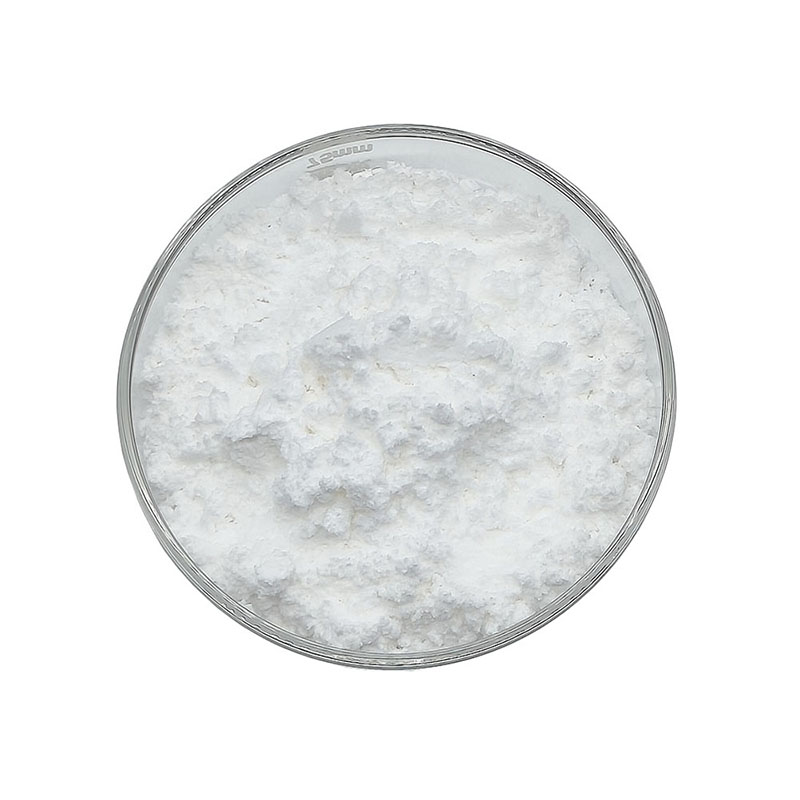
Physical and Chemical Properties
Property
Value
Test Conditions
Molecular Weight
238.37 g/mol
Calculated
Melting Point
110-115°C
Atmospheric pressure
Boiling Point
306°C
760 mmHg
Density
0.98-1.00 g/cm³
20°C
Half-Life Temperature
175-185°C
10 hours in solution
Appearance
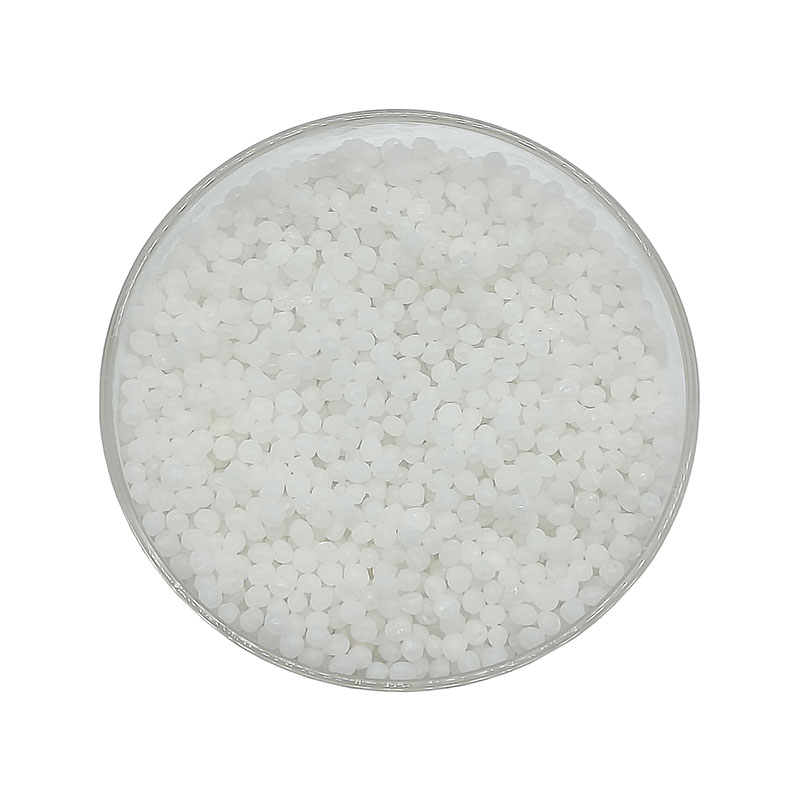
White crystalline solid
Visual inspection
Solubility in Organic Solvents
High
Toluene, xylene, acetone
Thermal Decomposition Characteristics
Polymer Crosslinking Applications
Polyethylene and Polypropylene Modification
Rubber and Elastomer Curing
Flame Retardant Synergist Functions
Mechanism of Flame Retardancy
Polypropylene Wire and Cable Applications
Organic Synthesis and Chemical Intermediate Uses
Radical Addition Reactions
Polymer Grafting Reactions
Safety Handling and Regulatory Status
Storage and Stability
Toxicological Profile
Manufacturing and Supply Chain
Quality Specifications
Pricing and Availability
Alternative Compounds and Future Developments
NEXT:Flame Retardant Chemicals: What They Are, How They Work & Types
Recommended products
-
2,3-Dimethyl-2,3-Diphenylbutane (Dicumene)
-
Benzene,1,4-bis(1-methylethyI)-,Homopolymer
-
2-Hydroxyethylhydrazine
-
Acethydrazide
-
Tert-Butyl peroxybenzoate(TBPB)
-
Benzoyl Peroxide(BPO)
-
1,2-Hexanediol
-
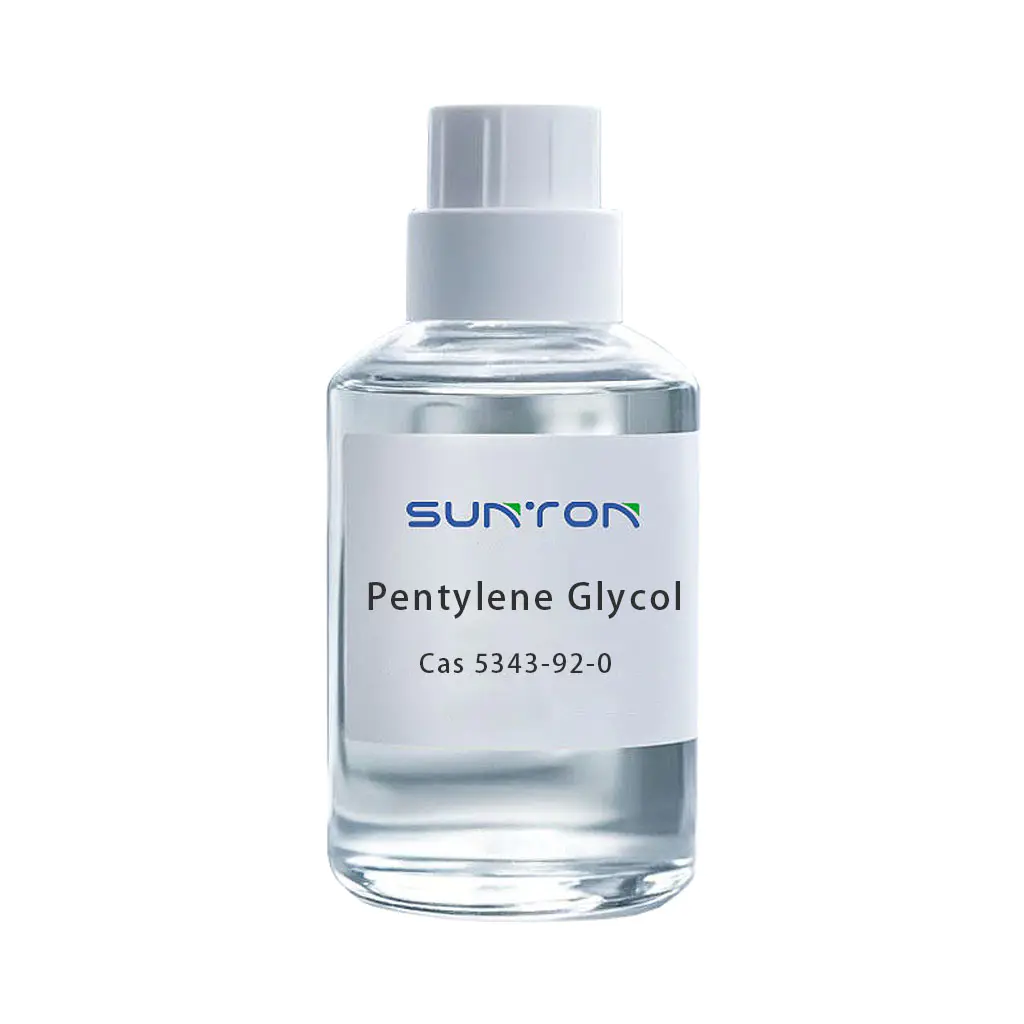
Pentylene Glycol
-
Caprylohydroxamic Acid
-
Melamine Cyanurate
-
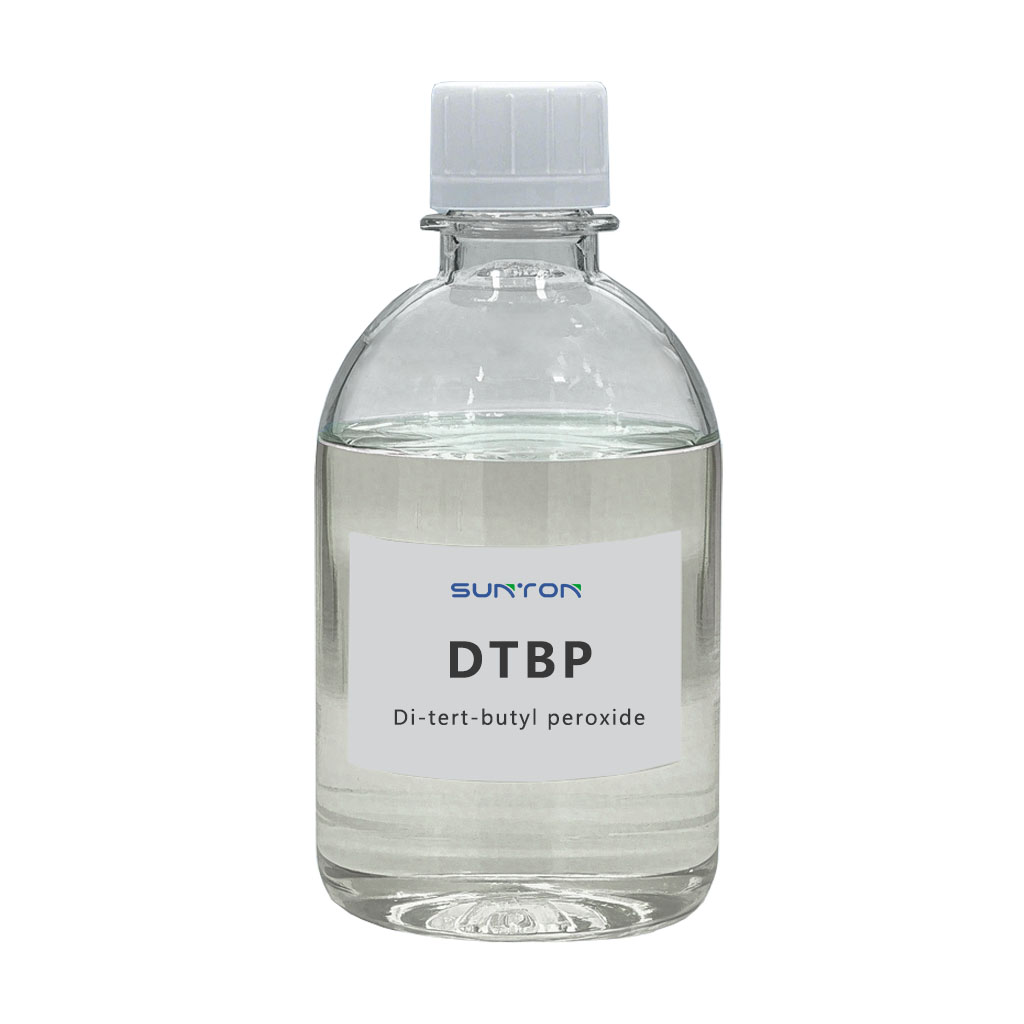
Di-Tert-Butyl Peroxide(DTBP)
-
XPS Special Masterbatch
COMPANY PROFILE
CONTACT INFO
- Phone: +86 18114870532
- Tel: +86 510-86686637
- Email: [email protected]
- Add: No.5 Shuangquan village, Diaoqi village., Xuxiake Town, Jiangyin, Jiangsu, China

Copyright © Jiangsu Suoteng New Material Technology Co., Ltd. All Rights Reserved.Custom Chemicals Organic Compounds Manufacturers
 Disclaimer
Privacy
苏ICP备2024090995号
Disclaimer
Privacy
苏ICP备2024090995号