
 English
 中文简体
中文简体
Search By Posts
Product Category
Industry News
 By Admin
Why Is Acethydrazide Widely Used?
As global demand for specialty chemicals continues to grow, Acethydrazide has become an increasingly important intermediate across multiple industrial sectors. Known for its high reactivity and stable chemical structure, Acethydrazide plays a critical role in pharmaceutical synthesis, agrochemical production, and functional material development.
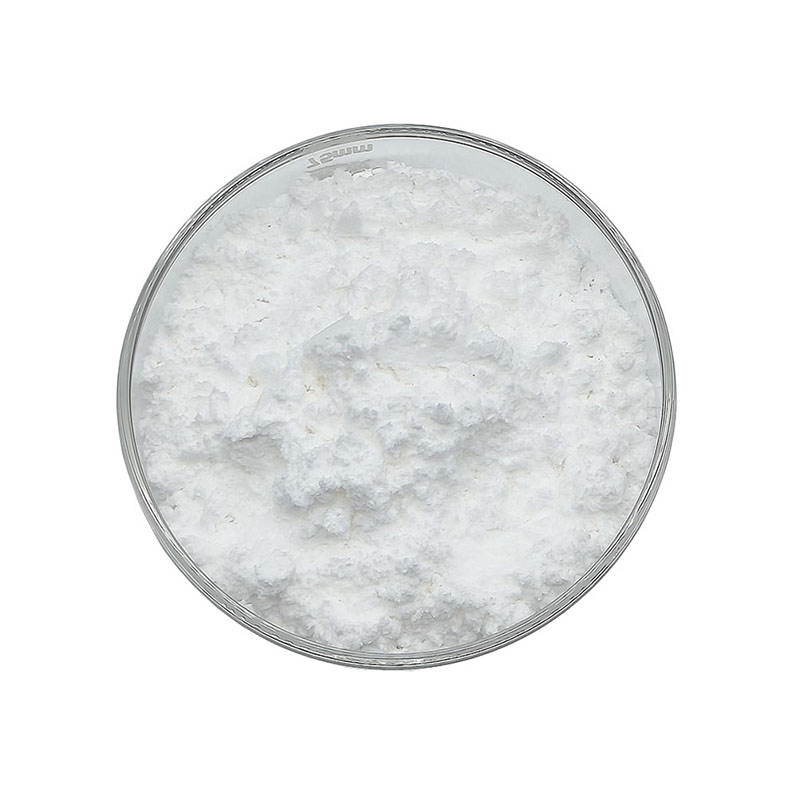
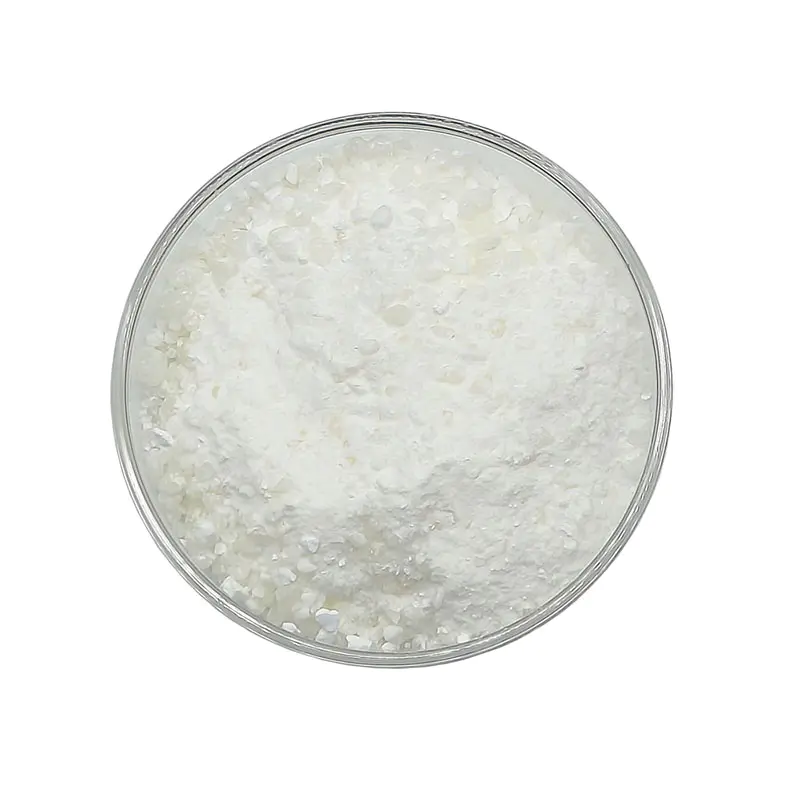
Acethydrazide is typically presented as a white crystalline solid with good solubility in water and polar organic solvents. Its molecular structure enables it to participate in condensation, cyclization, and derivatization reactions, making it a valuable building block in organic synthesis processes.
In the pharmaceutical industry, Acethydrazide is widely used as an intermediate for the synthesis of antibacterial, antitubercular, and other bioactive compounds. Its ability to form hydrazone and heterocyclic derivatives allows researchers and manufacturers to develop complex molecular structures with high efficiency.
Within the agrochemical sector, Acethydrazide is applied in the production of herbicides, pesticides, and plant protection agents. Its chemical stability and reactivity contribute to improved formulation performance and controlled reaction pathways during manufacturing.
Beyond traditional applications, Acethydrazide is also utilized in polymer modification and functional materials. It can act as a chain extender or crosslinking agent, enhancing thermal resistance and mechanical strength in polymer systems. In addition, its metal-chelating properties make it suitable for use in corrosion inhibitors and metal surface treatment formulations.
With advancements in chemical manufacturing and purification technologies, Acethydrazide is now available in consistent quality and high purity, supporting the growing needs of downstream industries. As research into advanced materials and specialty intermediates continues, Acethydrazide is expected to remain a key component in industrial chemical innovation.
FAQ
Q1: What is Acethydrazide mainly used for?
A1: Acethydrazide is primarily used as an intermediate in pharmaceuticals, agrochemicals, polymer modification, corrosion inhibitors, and organic synthesis.
Q2: Why is Acethydrazide important in organic synthesis?
A2: Its high reactivity allows it to form hydrazone and heterocyclic compounds, making it suitable for constructing complex molecular structures.
Q3: Is Acethydrazide suitable for industrial-scale production?
A3: Yes. Modern manufacturing processes enable stable, large-scale production with controlled purity for industrial applications.
Q4: Are there safety considerations when handling Acethydrazide?
A4: Like many chemical intermediates, Acethydrazide should be handled in accordance with safety data sheets (SDS), using appropriate protective equipment and storage conditions.
References
-
General Chemical Intermediates Handbook – Hydrazide Compounds
-
Pharmaceutical Organic Synthesis and Intermediate Applications
-
Agrochemical Manufacturing and Functional Additives Overview
-
Polymer Chemistry and Crosslinking Agent Studies
-
Chemical Safety and Material Handling Documentation
NEXT:Is 1,2-Hexanediol Becoming a Key Ingredient in Modern Formulations?
Recommended products
-
2,3-Dimethyl-2,3-Diphenylbutane (Dicumene)
-
Benzene,1,4-bis(1-methylethyI)-,Homopolymer
-
2-Hydroxyethylhydrazine
-
Acethydrazide
-
Tert-Butyl peroxybenzoate(TBPB)
-
Benzoyl Peroxide(BPO)
-
1,2-Hexanediol
-
Pentylene Glycol
-
Caprylohydroxamic Acid
-
Melamine Cyanurate
-
Di-Tert-Butyl Peroxide(DTBP)
-
XPS Special Masterbatch
COMPANY PROFILE
CONTACT INFO
- Phone: +86 18114870532
- Tel: +86 510-86686637
- Email: [email protected]
- Add: No.5 Shuangquan village, Diaoqi village., Xuxiake Town, Jiangyin, Jiangsu, China

Copyright © Jiangsu Suoteng New Material Technology Co., Ltd. All Rights Reserved.Custom Chemicals Organic Compounds Manufacturers
 Disclaimer
Privacy
苏ICP备2024090995号
Disclaimer
Privacy
苏ICP备2024090995号