
 English
 中文简体
中文简体
Search By Posts
Product Category
Industry News
 By Admin
Benzoyl Peroxide: Structure, Formula, Molecular Weight & Properties
Content Benzoyl peroxide (BPO) is an organic peroxide compound consisting of two benzoyl groups linked by a peroxide bond. It is one of the most widely used industrial and pharmaceutical chemicals in the world, serving simultaneously as a free-radical initiator in polymer chemistry, a bleaching agent in flour and food processing, and an active ingredient in acne treatment formulations. In its pure form, benzoyl peroxide is a white, odorless crystalline powder that is only sparingly soluble in water but dissolves readily in organic solvents such as acetone, chloroform, and diethyl ether. Because dry benzoyl peroxide powder is a strong oxidizer and presents a flammability and explosion hazard, it is almost universally handled and sold in a wetted or phlegmatized form — mixed with water or an inert plasticizer to reduce sensitivity to heat, friction, and shock. The compound is also known by the systematic IUPAC name dibenzoyl peroxide — a name that directly describes its structure — as well as by various trade designations including Lucidol, Panoxyl, Clearasil (in topical formulations), and Luperox. Its CAS registry number is 94-36-0, the unique chemical identifier used by scientists, regulators, and procurement teams worldwide to specify this compound unambiguously. The molecular formula of benzoyl peroxide is C₁₄H₁₀O₄. Its structure consists of two phenyl rings (C₆H₅–), each attached to a carbonyl group (–C=O), with the two carbonyl groups joined at their oxygen ends by a single peroxide linkage (–O–O–). This arrangement can be written structurally as: C₆H₅–C(=O)–O–O–C(=O)–C₆H₅ The peroxide bond (O–O) is the chemically reactive center of the molecule. It has a bond dissociation energy of approximately 150 kJ/mol — considerably weaker than a typical C–C or C–O bond — which is why benzoyl peroxide decomposes readily upon heating to generate two benzoyloxy radicals. These radicals are the active species in both polymerization initiation and antibacterial action. The two benzoyl groups flanking the peroxide bridge give the molecule its symmetrical structure. In crystalline form, the molecule adopts a nearly planar configuration around each carbonyl group, with the phenyl rings slightly twisted out of the plane of the ester linkage due to steric interactions. The molecular weight of benzoyl peroxide is 242.23 g/mol, calculated from its molecular formula C₁₄H₁₀O₄: This molecular weight is frequently referenced in industrial formulation work, where active oxygen content — the percentage of oxygen theoretically available for oxidation reactions — is a critical specification. For benzoyl peroxide, the active oxygen content is 6.61% by mass, a figure used to standardize batch activity in polymer and rubber manufacturing. Benzoyl peroxide appears under a range of synonyms and trade names across different industries and regulatory documents. The most commonly encountered include: Across all these designations, the CAS number 94-36-0 remains the unambiguous reference used in safety data sheets, customs documentation, and regulatory filings to identify the same compound regardless of commercial name or purity grade. Benzoyl peroxide and hydrogen peroxide (H₂O₂) are both peroxide compounds that generate reactive oxygen species, but they differ substantially in structure, mechanism, solubility, and application. Hydrogen peroxide is an inorganic peroxide consisting of just two oxygen atoms bridged by hydrogen (H–O–O–H). It is infinitely miscible with water, decomposes to water and oxygen gas, and works primarily as a surface-level oxidizing and bleaching agent. Its reactive species — hydroxyl radicals and singlet oxygen — are highly non-selective and short-lived. Benzoyl peroxide is an organic peroxide with two large benzoyl groups flanking the O–O bond. It is poorly water-soluble, lipophilic, and penetrates sebaceous (oil-producing) follicles far more effectively than hydrogen peroxide. When it decomposes, it generates benzoyloxy radicals and, subsequently, phenyl radicals — species that are more stable and longer-lived than hydroxyl radicals, making BPO a far more effective free-radical initiator in polymerization chemistry and a more targeted antibacterial agent in acne treatment. The defining chemical behavior of benzoyl peroxide is its ready homolytic decomposition — the O–O bond breaks symmetrically to produce two benzoyloxy radicals. This thermal instability, which makes dry BPO powder a handling hazard, is precisely what makes it so useful industrially. BPO is one of the most widely used free-radical initiators in addition polymerization. It initiates the chain-growth polymerization of vinyl monomers including styrene, acrylates, and vinyl acetate at temperatures between 60 and 100 °C. It also functions as a crosslinking agent in silicone rubber and polyethylene, where controlled radical generation creates covalent bridges between polymer chains — improving mechanical strength, heat resistance, and dimensional stability. At low concentrations, BPO bleaches the carotenoid pigments in freshly milled wheat flour, producing the bright-white appearance preferred in some markets. It is approved as a flour treatment agent in several jurisdictions, though its use is prohibited in the European Union and a number of other regions where natural aging or alternative bleaching methods are mandated. In topical acne treatment, BPO works through two mechanisms: it releases reactive oxygen species that kill Cutibacterium acnes (the bacterium central to acne pathology), and it acts as a mild keratolytic, helping to loosen and shed the dead skin cells that can block pores. Unlike topical antibiotics, BPO does not promote bacterial resistance — an increasingly important advantage as antibiotic-resistant strains become more prevalent. Typical pharmaceutical formulations contain 2.5%, 5%, or 10% BPO in cream, gel, or wash bases. BPO is used as a polymerization initiator in some dental composite resins and acrylic denture materials, where it triggers rapid hardening under ambient or slightly elevated temperature conditions. In cosmetics, it appears in certain tooth-whitening and skin-lightening formulations, though concentration limits and regulatory requirements vary significantly by market. Pure, dry benzoyl peroxide powder is classified as a flammable solid and an oxidizer under GHS and UN transport regulations. It presents three primary hazard categories: For laboratory and small-scale use, BPO is routinely supplied as a 70–75% paste in water or as a solution in organic solvent. In these forms it is stable, safe to handle with normal chemical precautions, and fully effective as a radical initiator or bleaching agent.What Is Benzoyl Peroxide?
Benzoyl Peroxide Chemical Structure and Formula
Property
Value
IUPAC name
Dibenzoyl peroxide
Molecular formula
C₁₄H₁₀O₄
Molecular weight
242.23 g/mol
CAS number
94-36-0
Appearance
White crystalline powder
Melting point
103–106 °C (decomposes)
Solubility in water
Sparingly soluble (~0.1 g/L at 25 °C)
Density
1.334 g/cm³
Active oxygen content
6.61%
Molecular Weight of Benzoyl Peroxide
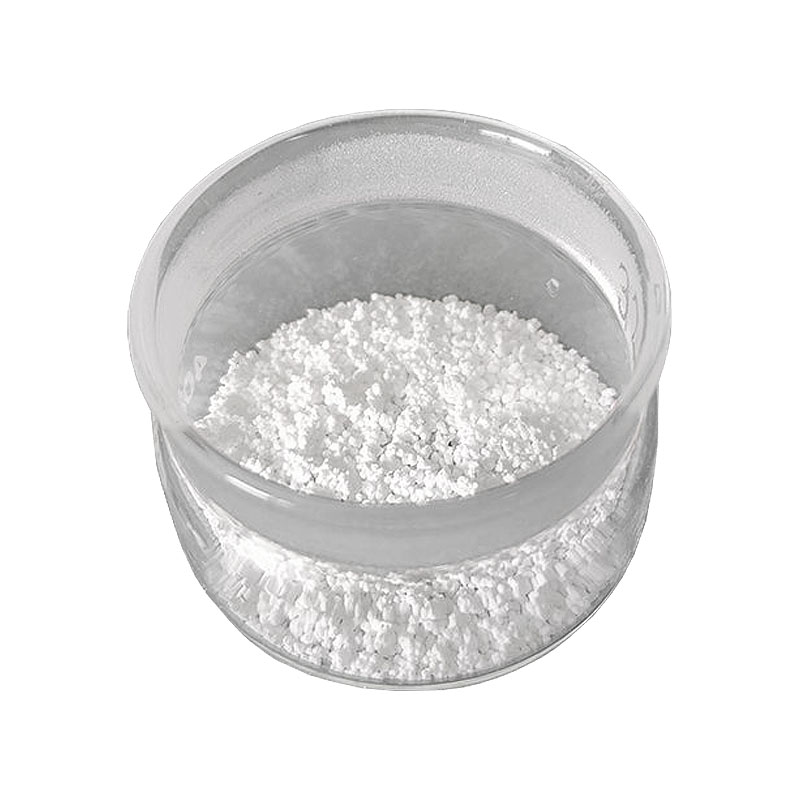
Other Names for Benzoyl Peroxide
Benzoyl Peroxide vs Hydrogen Peroxide: Key Differences
Property
Benzoyl Peroxide
Hydrogen Peroxide
Formula
C₁₄H₁₀O₄
H₂O₂
Type
Organic peroxide
Inorganic peroxide
Water solubility
Very low
Fully miscible
Lipophilicity
High
Low
Decomposition products
Benzoyloxy + phenyl radicals, CO₂
Hydroxyl radicals, O₂, H₂O
Primary applications
Polymerization initiator, acne treatment, flour bleaching
Disinfection, hair bleaching, textile bleaching
Skin penetration
Deep (follicular)
Surface only
Industrial and Chemical Applications of BPO
Polymer and Rubber Industry
Flour and Food Processing
Pharmaceutical and Dermatological Use
Dental and Cosmetic Applications
Safety and Handling of Benzoyl Peroxide Powder
NEXT:Dicumene (2,3-Dimethyl-2,3-diphenylbutane): Flame Retardant Uses & Chemistry
Recommended products
-
2,3-Dimethyl-2,3-Diphenylbutane (Dicumene)
-
Benzene,1,4-bis(1-methylethyI)-,Homopolymer
-
2-Hydroxyethylhydrazine
-
Acethydrazide
-
Tert-Butyl peroxybenzoate(TBPB)
-
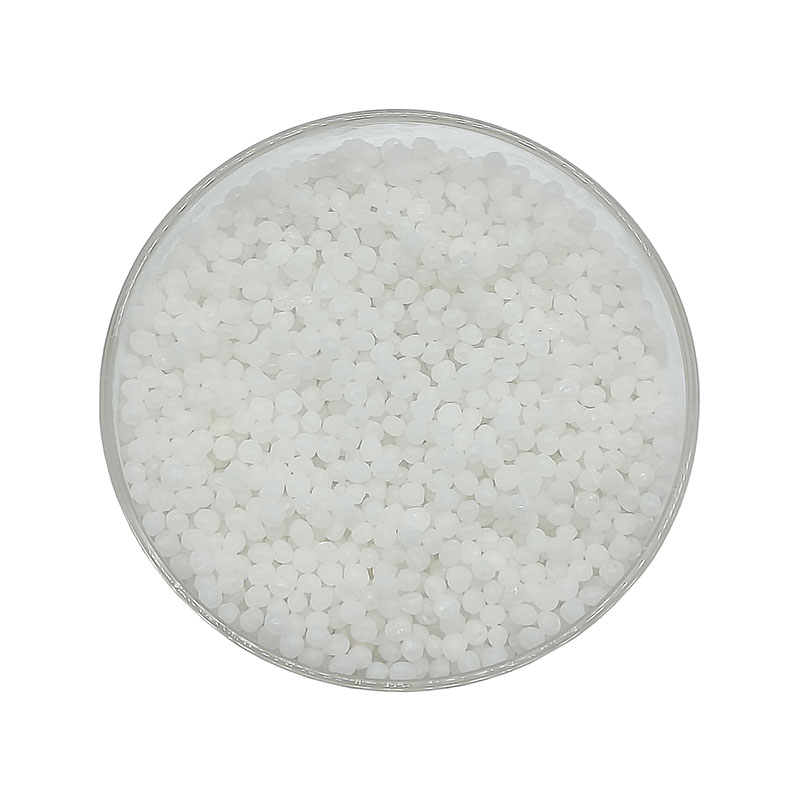
Benzoyl Peroxide(BPO)
-
1,2-Hexanediol
-
Pentylene Glycol
-
Caprylohydroxamic Acid
-
Melamine Cyanurate
-
Di-Tert-Butyl Peroxide(DTBP)
-
XPS Special Masterbatch
COMPANY PROFILE
CONTACT INFO
- Phone: +86 18114870532
- Tel: +86 510-86686637
- Email: [email protected]
- Add: No.5 Shuangquan village, Diaoqi village., Xuxiake Town, Jiangyin, Jiangsu, China

Copyright © Jiangsu Suoteng New Material Technology Co., Ltd. All Rights Reserved.Custom Chemicals Organic Compounds Manufacturers
 Disclaimer
Privacy
苏ICP备2024090995号
Disclaimer
Privacy
苏ICP备2024090995号