
 English
 中文简体
中文简体
Search By Posts
Product Category
Industry News
 By Admin
TBPB Initiator CAS 614-45-9: Thermal Decomposition and Safe Handling
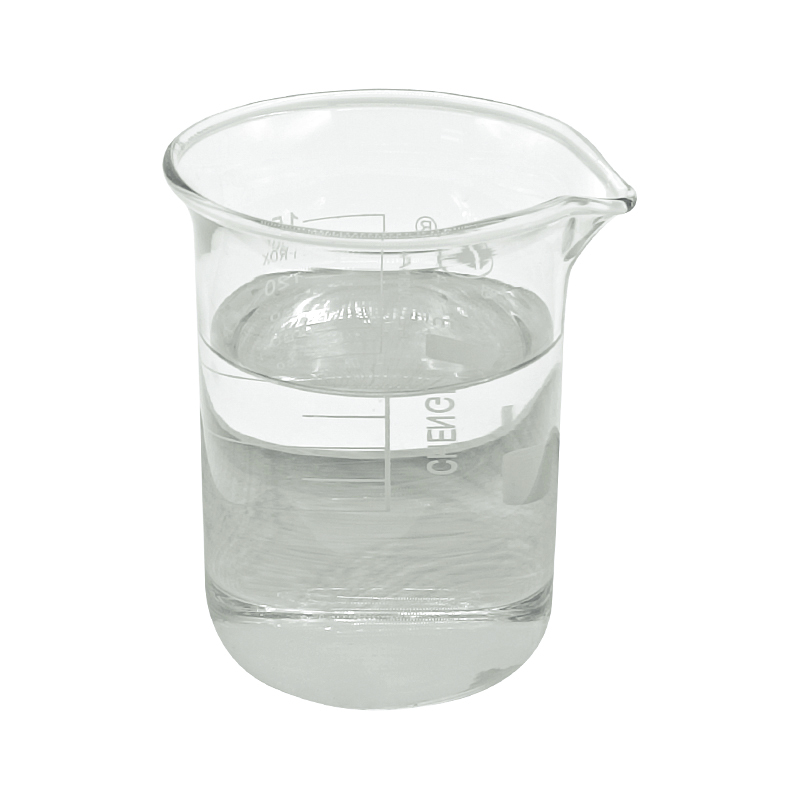
Content Tert-Butyl peroxybenzoate (TBPB), CAS 614-45-9, is a liquid organic peroxide that generates free radicals through controlled thermal decomposition to initiate polymerization and crosslinking reactions. Its molecular formula C11H14O3 yields an active oxygen content of 8.07% to 8.24%, which directly determines its initiating capacity. The compound decomposes with a half-life of 10 hours at 103°C to 105°C, 1 hour at 122°C to 124°C, and 1 minute at 165°C to 166°C, providing a predictable medium-temperature initiation window ideal for industrial processing. The self-accelerating decomposition temperature (SADT) stands at 60°C to 65°C, establishing the maximum safe storage and transport temperature that must never be exceeded. TBPB serves as the primary initiator for unsaturated polyester resin curing in SMC and BMC molding, as a vulcanizing agent for silicone rubber, and as a polymerization initiator for styrene, acrylates, and ethylene. Its controlled reactivity profile produces polymers with consistent molecular weight distribution and cured composites with uniform crosslink density. The compound appears as a clear to pale yellow liquid with a density of approximately 1.034 to 1.043 g/cm³ at 20°C and a melting point of 8°C. Below this temperature, TBPB solidifies, requiring warming before use. Its refractive index of 1.499 at 20°C provides a quality control parameter for purity verification. The flash point of 96°C classifies it as moderately flammable, while its insolubility in water and good solubility in alcohols, esters, ethers, and hydrocarbon solvents makes it compatible with the organic monomer systems it initiates. Industrial-grade TBPB maintains a minimum assay of 98% to 99%, with controlled impurity levels including tert-butyl hydroperoxide below 0.2%, moisture below 0.2%, and free benzoic acid below 0.1%. Understanding TBPB decomposition kinetics is essential for process design and safety management. The half-life temperature data defines the temperature at which 50% of the peroxide decomposes within a specified time interval. At 104°C, the 10-hour half-life indicates that TBPB remains sufficiently stable for extended processing at elevated temperatures while still generating radicals at a controlled rate. At 124°C, the 1-hour half-life represents a practical processing temperature for many curing applications where complete reaction occurs within a reasonable cycle time. The 165°C 1-minute half-life corresponds to the rapid decomposition regime used in high-temperature molding processes where fast cure cycles maximize production throughput. The activation energy for TBPB decomposition is approximately 33 kJ/mol, which is relatively moderate compared to other organic peroxides. This moderate activation energy contributes to its reputation as one of the safer peresters to handle, though it remains thermally unstable and requires strict temperature control. The decomposition follows first-order kinetics in dilute solutions, producing tert-butyl alcohol, benzoic acid, carbon dioxide, acetone, methane, and benzene as primary products. The presence of amines, metal ions, strong acids, strong bases, and reducing agents accelerates decomposition even at temperatures below the normal half-life threshold, which is why TBPB must be isolated from these substances during storage and handling. Contamination with cobalt accelerators, driers, or metal soaps can trigger violent decomposition at room temperature. The SADT of 60°C to 65°C represents the lowest temperature at which self-accelerating decomposition can occur within the transport packaging within one week. Above this threshold, the exothermic decomposition reaction generates heat faster than the packaging can dissipate it, creating a runaway thermal event that can lead to fire or explosion. The SADT is determined through the Heat Accumulation Storage Test following United Nations recommendations for the transport of dangerous goods. TBPB is classified as UN 3103, Organic Peroxide Type C, Liquid, Division 5.2, which governs its labeling, packaging, and shipping requirements worldwide. Storage temperatures must remain between 10°C and 30°C, with 10°C to 15°C recommended when color stability is critical. Dilution with high-boiling solvents such as phthalate esters increases the SADT by improving heat dissipation, which is why commercial TBPB is often supplied as a solution rather than pure liquid. TBPB functions as a free radical initiator across multiple industrial sectors. In the polymerization of styrene and styrene copolymers, TBPB is frequently combined with benzoyl peroxide (BPO) in suspension polymerization processes to achieve controlled molecular weight and particle size distribution. The medium-temperature decomposition window of 100°C to 140°C allows for manageable reaction rates that prevent runaway polymerization while ensuring high monomer conversion. For acrylate and methacrylate polymerization, TBPB replaces azo initiators in many formulations, reducing toxicity in the final resin and producing polymers with desirable clarity, flexibility, and durability for coatings, adhesives, and specialty plastics. In unsaturated polyester resin curing, TBPB serves as the preferred high-temperature curing agent for Sheet Molding Compound (SMC), Bulk Molding Compound (BMC), and pultrusion applications. The molding temperature range of 120°C to 170°C aligns with TBPB decomposition kinetics to produce thorough crosslinking in 20 minutes or less. When combined with cobalt accelerators such as 10% cobalt solutions, TBPB also cures unsaturated polyester resins at temperatures as low as 70°C, expanding its applicability to ambient-cure formulations. In combination with high-reactivity peroxides like Perkadox 16 or Trigonox HMa, TBPB acts as a kicker in pultrusion formulations operating between 100°C and 150°C, where the dual-initiator system balances gel time and cure speed. TBPB functions as an effective vulcanizing agent for silicone rubber, achieving crosslinking efficiencies above 92% to 95% in high-temperature vulcanized (HTV) and liquid silicone rubber (LSR) systems. The vulcanization process enhances tensile strength from approximately 2 MPa in uncured silicone to 12 to 15 MPa in the final product while maintaining elasticity and heat resistance. Compared with dicumyl peroxide (DCP), TBPB enables vulcanization at temperatures approximately 25°C lower, reducing energy consumption and thermal degradation of sensitive additives. The cleaner odor profile of TBPB-cured silicone also improves workplace conditions and product acceptability in consumer applications. This performance makes TBPB the standard crosslinker for automotive seals, radiator hoses, electronic encapsulants, and medical-grade silicone components. Industrial TBPB quality is defined by several measurable parameters that determine suitability for specific applications. The assay or purity must reach 98% minimum, with premium grades achieving 99% or higher. Active oxygen content serves as the most critical performance indicator, with specifications requiring 8.07% minimum and typical values between 8.07% and 8.24%. This parameter directly correlates with initiating efficiency and must be verified through iodometric titration. The tert-butyl hydroperoxide (TBHP) content, a common synthesis impurity, must remain below 0.2% because residual TBHP can initiate premature reactions and affect cure kinetics. Moisture content below 0.2% prevents hydrolysis of the peroxy ester bond during storage. Color measurement using the Platinum-Cobalt scale provides an indicator of product degradation and purity, with specifications typically requiring values below 80 Hazen units and premium grades below 100 Hazen units. The refractive index at 20°C should fall between 1.495 and 1.505, with deviations indicating contamination or decomposition. Free acid content, expressed as benzoic acid, must remain below 0.1% to prevent acidic catalysis of unwanted side reactions in sensitive polymerization systems. Hydrolyzed chlorine content below 0.01% ensures compatibility with electronic-grade and medical-grade applications where ionic contamination must be minimized. Electronic-grade TBPB with purity of 99.99% or higher is specifically manufactured for semiconductor encapsulation and photolithography applications. Proper storage of TBPB is non-negotiable for safety and quality preservation. The recommended storage temperature range is 10°C to 30°C, with the lower end of this range preferred for extended shelf life. Storage below 10°C risks solidification, which complicates dispensing and can cause phase separation in diluted formulations. Storage above 30°C accelerates decomposition, reducing active oxygen content and compromising initiating efficiency. For applications where color stability is critical, such as transparent polymers and light-colored composites, maintaining storage at 10°C to 15°C minimizes yellowing and maintains the clear to pale yellow appearance that indicates fresh product. The standard shelf life from date of delivery is 6 months when stored under recommended conditions, though many suppliers guarantee stability for longer periods with proper temperature control. Storage facilities must be well-ventilated, fire-resistant, and isolated from incompatible materials including reducing agents, strong acids, strong bases, amines, heavy metal compounds, accelerators, and metal soaps. Containers should remain tightly sealed to prevent contamination and moisture ingress. First-in-first-out inventory rotation ensures that older stock is consumed before decomposition can progress. Packaging typically consists of 20 kg to 30 kg polyethylene drums or 200 kg drums for bulk consumers, with pallets holding 48 drums for efficient transport. The drums must be stored away from direct sunlight, heat sources, and ignition sources. Fire extinguishing systems should use water spray rather than inert gas, as water cools containers and absorbs decomposition heat more effectively. Never store TBPB near food, beverages, or consumer products. TBPB is classified as a dangerous good for transport under UN 3103, Organic Peroxide Type C, Liquid. This classification requires specialized packaging, labeling, and documentation for road, rail, sea, and air freight. Shippers must use packaging certified to withstand the self-accelerating decomposition scenario, typically involving inner polyethylene containers within wooden or fiberboard outer boxes. The transport temperature must not exceed the SADT of 60°C to 65°C, which means refrigerated transport may be necessary in hot climates or during summer months. TBPB is listed on major chemical inventories including the United States TSCA, European Union EINECS, China IECSC, Japan ENCS, Canada DSL, Australia AICS, and Korea ECL, confirming its regulatory acceptance for industrial use in these jurisdictions. Each shipment must be accompanied by a Safety Data Sheet (SDS) and Certificate of Analysis (COA) documenting the specific batch properties and hazard information. TBPB handling requires comprehensive personal protective equipment and procedural discipline. Operators must wear chemical-resistant gloves, safety goggles or face shields, and protective clothing that covers all exposed skin. Respiratory protection is necessary when handling large quantities or in poorly ventilated areas, as inhalation of vapors or aerosols can irritate the respiratory tract. The acute oral toxicity LD50 in mice is 914 mg/kg, classifying it as moderately toxic by ingestion. The acute inhalation LC50 in rats exceeds 1.01 mg/L over 4 hours, indicating harmful but not immediately lethal vapor concentrations. Skin and eye contact causes mild to moderate irritation, with 500 mg per day producing noticeable irritation in rabbit testing. TBPB is not sensitive to mechanical shock but is highly heat-sensitive, decomposing violently when heated above 115°C or when contaminated with incompatible substances. Firefighting requires water spray from sprinklers to cool containers and suppress vapors. Never add TBPB to hot solvents or hot monomers, as this can trigger instantaneous violent decomposition. All handling operations should occur in areas with spill containment and emergency eyewash stations. In case of spill, absorb with inert material such as vermiculite or sand and collect for proper disposal. Never flush spills into drains or watercourses. Wash thoroughly after handling, and never consume food or beverages in areas where TBPB is present. Some studies have suggested potential tumorigenic activity in mice, though carcinogenic effects on humans remain unknown, justifying conservative exposure limits and protective measures. Beyond traditional polymer and rubber applications, TBPB is finding increasing use in advanced technology sectors. In the photovoltaic industry, TBPB crosslinks ethylene-vinyl acetate (EVA) encapsulant films for solar panels, ensuring high transparency and weather resistance. Each gigawatt of installed solar capacity consumes approximately 13.5 tons of TBPB, reflecting the scale of demand from the renewable energy sector. In electric vehicle manufacturing, TBPB supports the production of crosslinked polyethylene (XLPE) for high-performance cable insulation, enhancing thermal and mechanical strength in battery and charging infrastructure wiring. The semiconductor industry utilizes electronic-grade TBPB with purity of 99.99% or higher for photolithography and encapsulation compounds where ionic contamination must be minimized. Environmental compliance trends favor TBPB over alternative initiators because its decomposition produces non-aromatic byproducts in many formulations, aligning with low-VOC and low-odor requirements. In powder coatings, TBPB enables lower baking temperatures of 160°C compared to 200°C for benzoyl peroxide-based systems, reducing energy consumption and improving surface flow. Emerging manufacturing technologies integrate TBPB into microchannel reactors and continuous flow production systems, which improve yield, reduce waste, and enhance operational safety by minimizing the inventory of reactive peroxide at any given time. As industries transition toward sustainable chemistry, TBPB's compatibility with bio-based and recyclable materials positions it as a next-generation initiator for green polymer processes.What TBPB Delivers as a Radical Initiator
Thermal Decomposition Kinetics and Half-Life Data
Self-Accelerating Decomposition Temperature
Polymerization and Curing Applications
Silicone Rubber Vulcanization
Quality Specifications and Analytical Parameters
Parameter
Specification
Test Method
Assay
98% minimum
Iodometric Titration
Active Oxygen
8.07% minimum
Iodometric Titration
TBHP Content
0.2% maximum
Chromatography
Moisture
0.2% maximum
Karl Fischer
Color
80 Hazen maximum
Pt-Co Scale
Free Acid
0.1% maximum
Acid-Base Titration
Storage Requirements and Shelf Life Management
Transportation and Regulatory Compliance
Safety Handling and Personal Protection
Emerging Applications and Market Trends
NEXT:Benzoyl Peroxide (BPO) CAS 94-36-0: Properties, Uses & Safety Guide
Recommended products
-
2,3-Dimethyl-2,3-Diphenylbutane (Dicumene)
-
Benzene,1,4-bis(1-methylethyI)-,Homopolymer
-
2-Hydroxyethylhydrazine
-
Acethydrazide
-
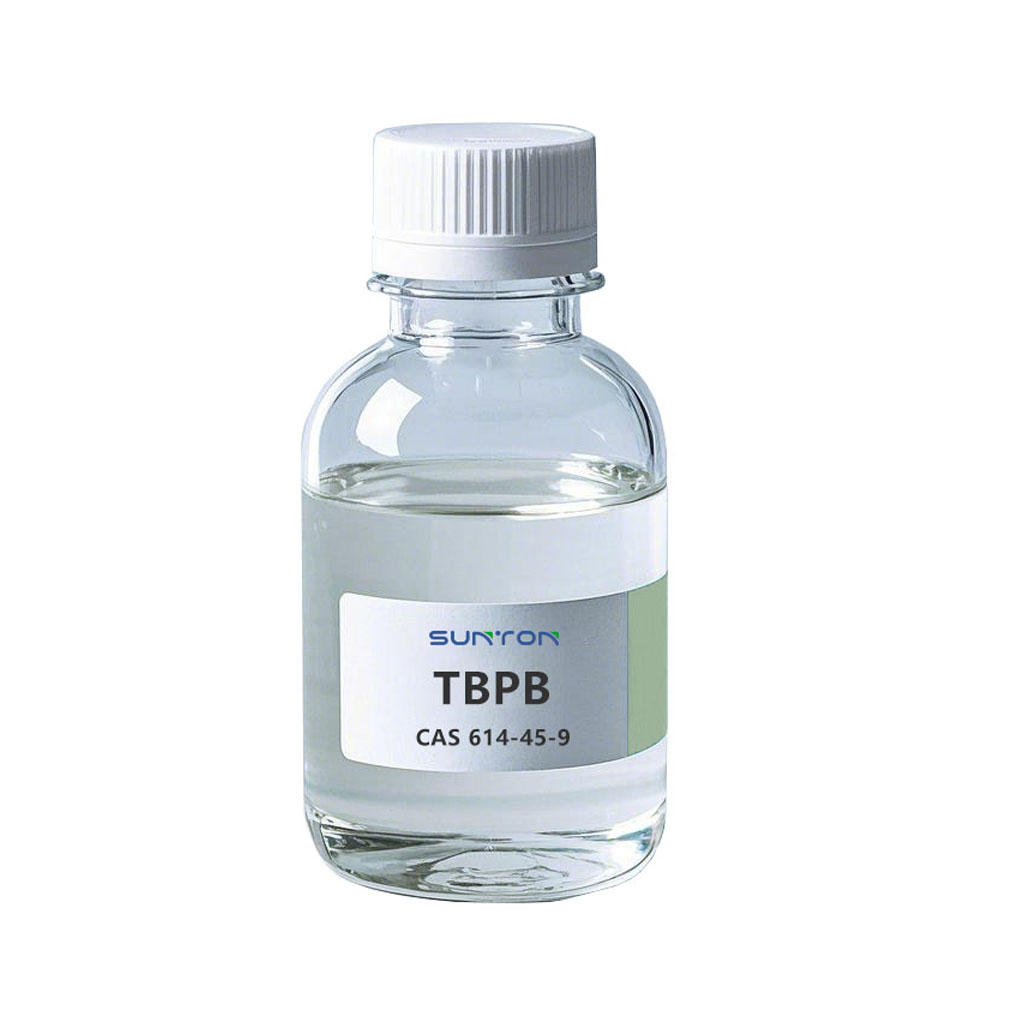
Tert-Butyl peroxybenzoate(TBPB)
-
Benzoyl Peroxide(BPO)
-
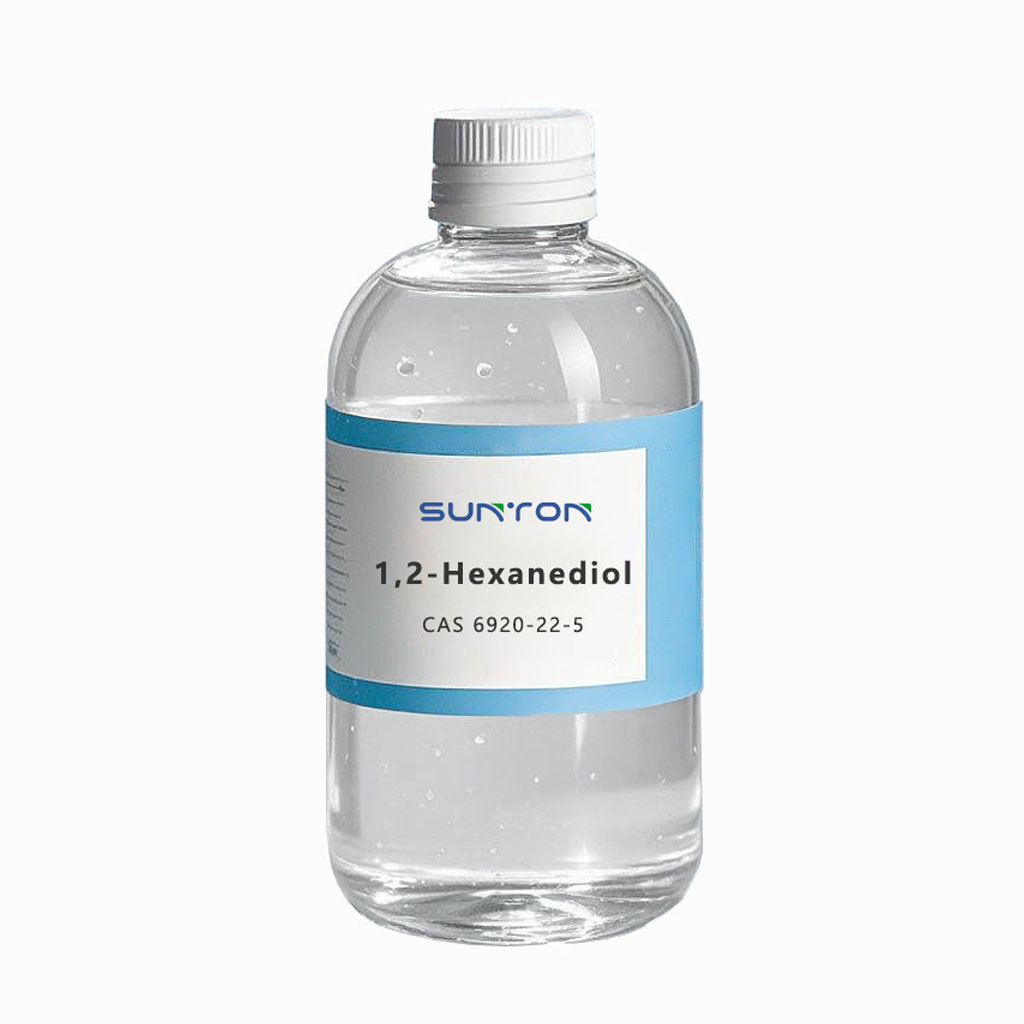
1,2-Hexanediol
-
Pentylene Glycol
-
Caprylohydroxamic Acid
-
Melamine Cyanurate
-
Di-Tert-Butyl Peroxide(DTBP)
-
XPS Special Masterbatch
COMPANY PROFILE
CONTACT INFO
- Phone: +86 18114870532
- Tel: +86 510-86686637
- Email: [email protected]
- Add: No.5 Shuangquan village, Diaoqi village., Xuxiake Town, Jiangyin, Jiangsu, China

Copyright © Jiangsu Suoteng New Material Technology Co., Ltd. All Rights Reserved.Custom Chemicals Organic Compounds Manufacturers
 Disclaimer
Privacy
苏ICP备2024090995号
Disclaimer
Privacy
苏ICP备2024090995号