
 English
 中文简体
中文简体
Search By Posts
Product Category
Industry News
 By Admin
Benzoyl Peroxide (BPO) CAS 94-36-0: Properties, Uses & Safety Guide
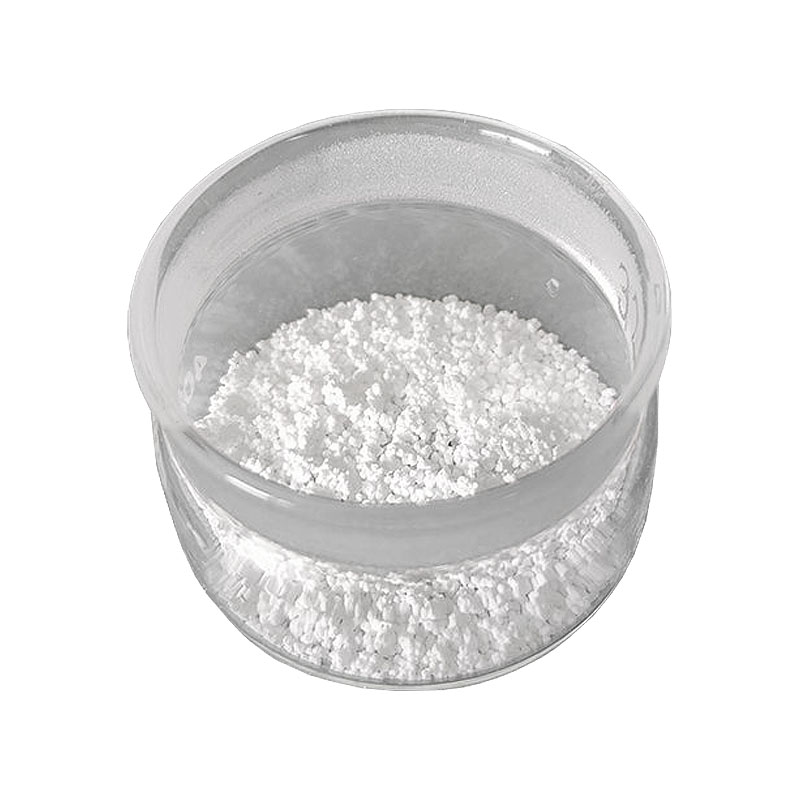
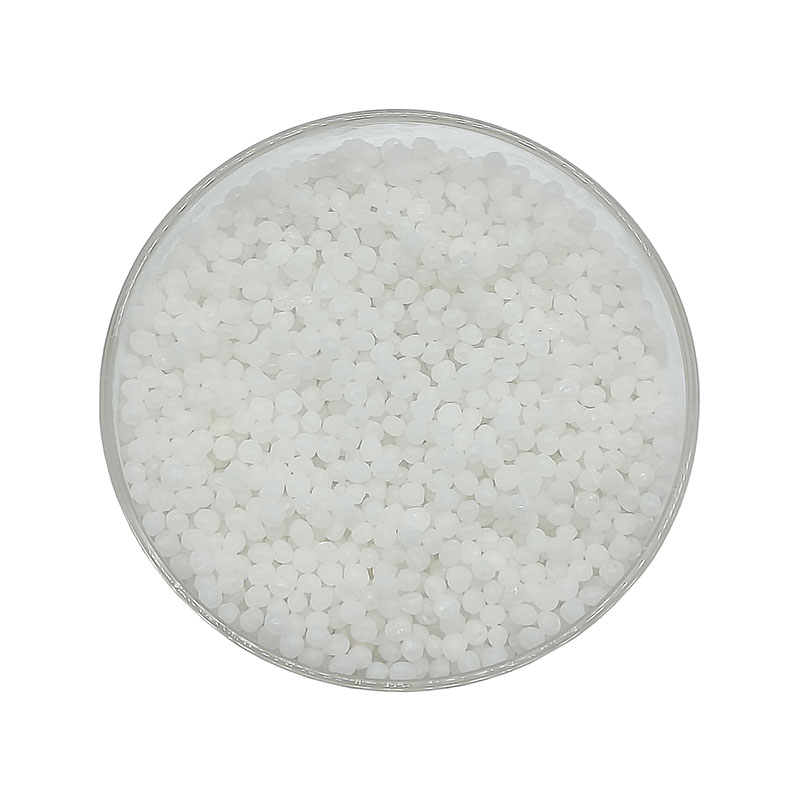
Content Benzoyl peroxide (BPO), systematically named dibenzoyl peroxide, is an organic peroxide with the molecular formula (C₆H₅CO)₂O₂ and CAS Registry Number 94-36-0. It consists of two benzoyl groups linked by a peroxide (–O–O–) bond — the weakest and most chemically reactive part of the molecule. In its pure dry form, BPO appears as a white granular or crystalline powder with a faint benzaldehyde-like odor. It has a molecular weight of 242.23 g/mol and a melting point of approximately 103–106°C, at which point decomposition begins rather than clean melting. For this reason, commercial BPO is almost always supplied in wetted, phlegmatized, or paste form — water content of 25–35% is the most common stabilization method used in industrial and pharmaceutical-grade products. The compound was first synthesized in 1898 and has since become one of the most commercially significant organic peroxides globally. Its utility stems from a single defining chemical behavior: upon moderate heating or UV exposure, the O–O bond cleaves homolytically, generating two highly reactive benzoyloxy radicals. These radicals drive free-radical polymerization, bleaching reactions, and antimicrobial activity — the three pillars of BPO's industrial and pharmaceutical relevance. Accurate specification data is essential when sourcing or formulating with dibenzoyl peroxide (CAS 94-36-0). The following table summarizes the most commonly referenced parameters: The half-life of BPO in solution is a critical parameter for formulators: at 70°C in benzene, the half-life is approximately 10 hours; at 100°C, it drops to under 30 minutes. This temperature-dependent decomposition rate is what makes BPO selectable across a wide range of curing and polymerization processes by simply adjusting reaction temperature. BPO (CAS 94-36-0) is consumed across several major industrial sectors, each exploiting a distinct aspect of its radical-generating chemistry. The largest single industrial use of dibenzoyl peroxide is as a free-radical initiator in the production of polymers and resins. It initiates the polymerization of vinyl acetate, styrene, acrylics, and PVC at temperatures of 60–100°C, generating consistent chain-initiation rates that are controllable by concentration and temperature. In unsaturated polyester resin (UPR) systems used in fiberglass composites, BPO is paired with a tertiary amine accelerator (most commonly N,N-dimethylaniline or N,N-diethylaniline) to achieve room-temperature cure — a process central to the hand lay-up, pultrusion, and resin transfer molding methods used in marine, construction, and automotive composite fabrication. BPO also crosslinks silicone rubber and natural rubber at elevated temperatures, improving mechanical strength, heat resistance, and compression set. Peroxide-cured silicone typically achieves better high-temperature performance than platinum-catalyzed systems, making BPO-crosslinked grades preferred for automotive gaskets, medical tubing, and wire insulation. Food-grade benzoyl peroxide is approved in many jurisdictions as a flour bleaching and maturing agent. Freshly milled wheat flour has a yellowish tint from carotenoid pigments; BPO oxidizes these pigments to colorless compounds, producing the bright white flour preferred for commercial baking. Permitted usage levels are tightly regulated — the FDA allows up to 50 ppm in flour in the United States, while the EU has banned BPO as a flour additive since 1997, requiring air-aging (oxidation) instead. Food-grade BPO must meet strict purity specifications, with heavy metal limits (particularly lead and arsenic) orders of magnitude tighter than industrial grades. At concentrations of 3–10%, BPO is used in professional and over-the-counter tooth whitening strips and gels. It penetrates enamel and dentin, where radical oxidation breaks chromophore molecules responsible for staining. Benzoyl peroxide is generally considered to have a more favorable safety profile than carbamide peroxide for short-contact applications, as it decomposes more rapidly and leaves fewer residual oxidizing species. In countries where permitted, food-grade BPO is used to bleach milk for certain white cheese varieties — particularly Blue cheese, where annatto-based coloring agents used in the feedstock milk must be neutralized to achieve a consistent white curd color. This application is tightly controlled and limited to specific regional markets. Pharmaceutical-grade benzoyl peroxide is one of the most thoroughly studied topical actives in dermatology. It is a first-line treatment for mild-to-moderate acne vulgaris, available in concentrations of 2.5%, 5%, and 10% in gel, cream, wash, and lotion formulations. Its mechanism of action is threefold: Clinical evidence consistently shows that 2.5% BPO is as effective as 5% and 10% concentrations for reducing inflammatory lesion counts, with significantly fewer side effects (dryness, peeling, irritation). Most current dermatology guidelines recommend starting at the lowest effective concentration. Combination products pairing BPO with topical clindamycin or adapalene are among the most prescribed acne regimens worldwide. Dibenzoyl peroxide (CAS 94-36-0) is commercially available in several distinct forms, each optimized for a specific handling or application context: When comparing supplier offerings, always confirm the active oxygen content (AOC) alongside the nominal BPO percentage, as phlegmatizers and water content directly affect the actual initiator loading delivered per kilogram of product. BPO (CAS 94-36-0) is classified as an organic peroxide and must be handled under a dedicated risk management framework. Failures in storage conditions are the leading cause of BPO-related incidents in industrial settings. Regulatory transport classification: UN 3102 (Organic Peroxide Type B, solid) for dry grades; UN 3106 (Organic Peroxide Type D, solid) for most wetted commercial grades. Specific classification depends on concentration and phlegmatizer content — always verify with the current SDS from your supplier before arranging shipment. The global benzoyl peroxide market was valued at approximately USD 350–400 million in 2023, with demand driven in roughly equal measure by polymer and rubber processing (industrial sector) and pharmaceutical/personal care applications. Asia-Pacific accounts for the largest share of industrial BPO consumption, led by China's massive polymerization and rubber industries. North America and Europe dominate pharmaceutical-grade consumption. Key regulatory reference points by region: Import and export of dibenzoyl peroxide (CAS 94-36-0) requires compliance with the UN Recommendations on the Transport of Dangerous Goods (Orange Book) in all jurisdictions, with specific packaging certifications required for each UN number and concentration class.What Is Benzoyl Peroxide (BPO) — CAS 94-36-0
Key Physical and Chemical Properties
Parameter
Value
CAS Number
94-36-0
Molecular Formula
C₁₄H₁₀O₄
Molecular Weight
242.23 g/mol
Appearance
White crystalline powder (dry); paste or slurry (wetted grades)
Melting Point (decomposition)
103–106°C
Solubility in water
Practically insoluble (~0.1 g/L at 25°C)
Solubility in organic solvents
Soluble in acetone, chloroform, ethyl acetate, benzene
Active oxygen content
6.61% (theoretical, 100% pure)
Self-accelerating decomposition temperature (SADT)
40°C (dry); 60°C+ (wetted/phlegmatized grades)
UN Classification
UN 3102 / UN 3106 (depending on concentration and form)
Industrial Applications of Dibenzoyl Peroxide
Polymer Initiator and Crosslinking Agent
Flour and Food Bleaching
Dental and Cosmetic Bleaching
Cheese and Dairy Processing
Pharmaceutical Grade BPO: Acne and Dermatology
Commercial Grades and Formulation Forms
Storage, Handling, and Safety Requirements
Global Market and Regulatory Landscape
NEXT:DMDPB (CAS 1889-67-4): Complete Guide to 2,3-Dimethyl-2,3-diphenylbutane Applications
Recommended products
-
2,3-Dimethyl-2,3-Diphenylbutane (Dicumene)
-
Benzene,1,4-bis(1-methylethyI)-,Homopolymer
-
2-Hydroxyethylhydrazine
-
Acethydrazide
-
Tert-Butyl peroxybenzoate(TBPB)
-
Benzoyl Peroxide(BPO)
-
1,2-Hexanediol
-
Pentylene Glycol
-
Caprylohydroxamic Acid
-
Melamine Cyanurate
-
Di-Tert-Butyl Peroxide(DTBP)
-
XPS Special Masterbatch
COMPANY PROFILE
CONTACT INFO
- Phone: +86 18114870532
- Tel: +86 510-86686637
- Email: [email protected]
- Add: No.5 Shuangquan village, Diaoqi village., Xuxiake Town, Jiangyin, Jiangsu, China

Copyright © Jiangsu Suoteng New Material Technology Co., Ltd. All Rights Reserved.Custom Chemicals Organic Compounds Manufacturers
 Disclaimer
Privacy
苏ICP备2024090995号
Disclaimer
Privacy
苏ICP备2024090995号