
 English
 中文简体
中文简体
Search By Posts
Product Category
Industry News
 By Admin
Why Use Organic Intermediate?
Content
- 1 What Is Organic Intermediate?
- 2 Types of Organic Intermediates
- 3 Applications of Organic Intermediates
- 4 How to Select the Right Organic Intermediate
- 5 Quality Control and Testing of Organic Intermediates
- 6 Conclusion: Choosing the Best Organic Intermediate for Your Needs
- 7 FAQ
- 7.1 What is the difference between high-purity and standard organic intermediates?
- 7.2 Can organic intermediates be used in agrochemical production?
- 7.3 What should I consider when selecting a custom organic intermediate?
- 7.4 How is quality control performed for organic intermediates?
- 7.5 Are industrial organic intermediate suppliers reliable for large-scale production?
What Is Organic Intermediate?
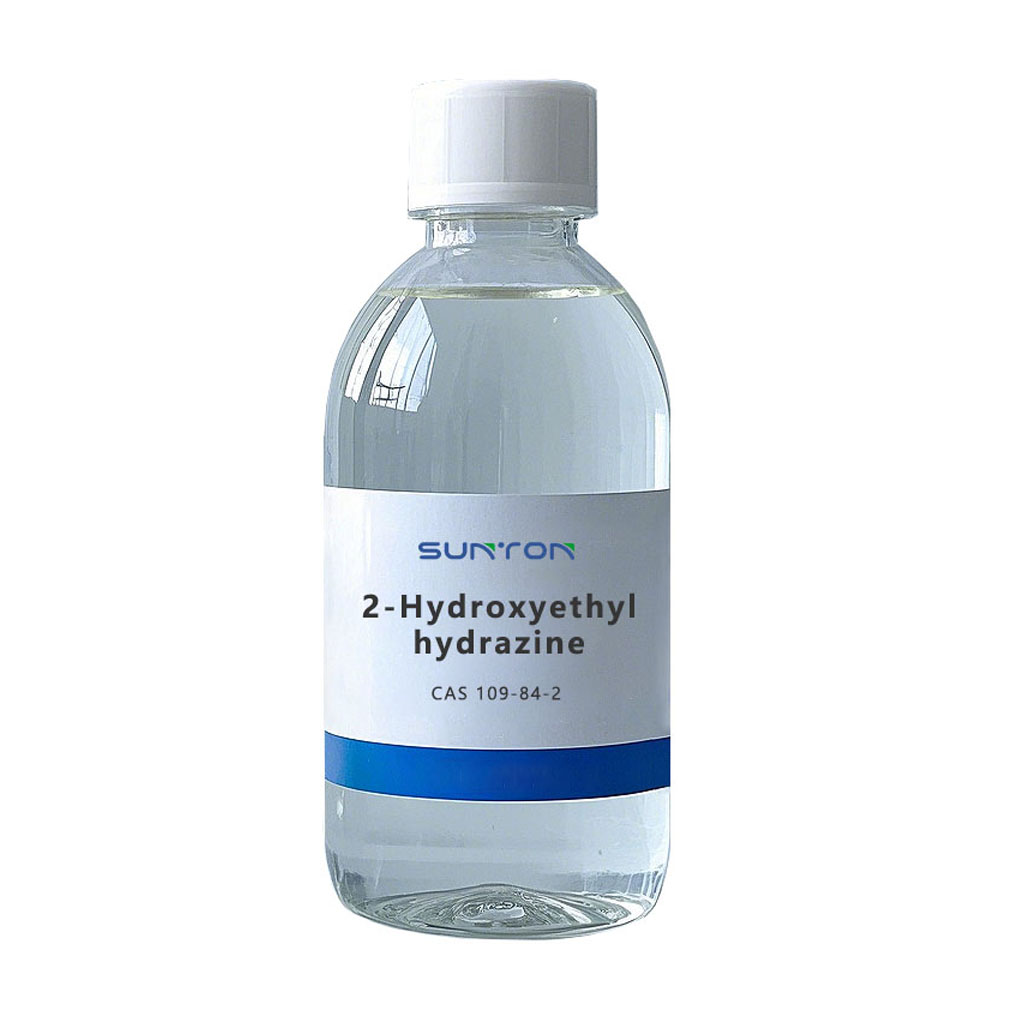
Organic Intermediate
Organic Intermediate refers to chemically pure compounds that act as essential building blocks in the synthesis of various pharmaceuticals, agrochemicals, and specialty chemicals. These compounds are crucial because they provide the required structural framework for the production of complex molecules while ensuring consistency and reliability in chemical reactions. The use of organic intermediates enhances efficiency, reduces production costs, and ensures compliance with strict industry standards. They are typically produced under controlled conditions to maintain high purity levels, minimize impurities, and guarantee reproducibility. Modern chemical industries rely heavily on these intermediates to accelerate R&D processes and streamline large-scale manufacturing. The choice of the right organic intermediate can directly impact the yield, quality, and safety of the final product. From high-purity synthesis applications to custom manufacturing for specialized projects, these intermediates provide unparalleled versatility for industrial and laboratory use.
- Serve as key building blocks in chemical reactions
- Enhance reaction efficiency and yield
- Ensure regulatory compliance and reproducibility
Definition and Core Characteristics
Organic intermediates are chemically defined compounds that provide a foundation for producing more complex molecules. Their core characteristics include high purity, structural integrity, and compatibility with diverse chemical reactions.
| Characteristic | Details |
| Purity | Typically >99% |
| Stability | Resistant to degradation under standard conditions |
Role in Chemical Synthesis
These intermediates are fundamental in building target compounds efficiently. They reduce the number of reaction steps required and improve the overall yield of complex chemical processes.
- Facilitates multi-step synthesis
- Minimizes by-product formation
- Supports scale-up from lab to industry
Advantages Over Raw Materials
Compared to raw starting materials, organic intermediates offer better predictability, higher purity, and lower impurity content, making them ideal for sensitive applications.
| Feature | Advantage |
| Purity | Reduces side reactions |
| Consistency | Ensures reproducible results |
Types of Organic Intermediates
Organic intermediates are categorized based on their application and chemical composition. The five main types discussed here include high-purity organic intermediate for synthesis, organic intermediate used in pharmaceutical production, custom organic intermediate manufacturing services, organic intermediate for agrochemical formulation, and industrial organic intermediate supplier. Each type addresses specific industrial requirements, offering tailored solutions for precise chemical reactions, regulatory compliance, and optimized production processes.
- High-purity compounds for complex synthesis
- Pharmaceutical-grade intermediates
- Customized solutions for specific applications
high-purity organic intermediate for synthesis
High-purity intermediates are designed to meet stringent chemical standards, ensuring minimal impurities and maximum reaction efficiency in synthesis applications.
| Purity Level | >99% |
| Use Case | Advanced chemical synthesis |
organic intermediate used in pharmaceutical production
Pharmaceutical intermediates comply with regulatory requirements for safety and efficacy. They are essential for producing APIs with controlled impurity profiles.
| Compliance | GMP standards |
| Application | Drug development and manufacturing |
custom organic intermediate manufacturing services
Custom intermediates are produced to meet specific client requirements, offering flexibility in molecular structure, quantity, and purity levels.
| Service | Tailored production |
| Benefit | Optimized for unique applications |
organic intermediate for agrochemical formulation
These intermediates are optimized for stability and efficacy in agrochemical products, ensuring performance under diverse environmental conditions.
| Stability | High under field conditions |
| Purpose | Agrochemical synthesis |
industrial organic intermediate supplier
Reliable suppliers provide intermediates at scale, maintaining batch-to-batch consistency and quality control, which is critical for industrial applications.
| Supply Reliability | High |
| Quality Assurance | Certified and tested |
Applications of Organic Intermediates
Organic intermediates are versatile across multiple industries. Their applications span pharmaceuticals, agrochemicals, fine chemicals, and industrial manufacturing, supporting complex synthesis, product development, and large-scale production.
- Pharmaceutical synthesis
- Agrochemical production
- Fine chemicals and specialty compounds
- Industrial manufacturing processes
How to Select the Right Organic Intermediate
Selecting the appropriate organic intermediate requires evaluating purity, safety, regulatory compliance, cost-effectiveness, and compatibility with the intended chemical reactions.
- Analyze purity and chemical specifications
- Consider safety protocols and regulatory guidelines
- Evaluate cost relative to performance
- Ensure reaction compatibility and stability
Quality Control and Testing of Organic Intermediates
Quality control ensures that intermediates meet analytical specifications, maintain batch consistency, and are free from undesired impurities. Techniques include HPLC, NMR, and GC testing.
- Analytical verification of purity
- Impurity profiling and quantification
- Batch-to-batch consistency checks
- Documentation and certification compliance
Conclusion: Choosing the Best Organic Intermediate for Your Needs
The right organic intermediate aligns with your specific chemical application, balancing purity, quality, and supplier support. Considering custom manufacturing services, regulatory requirements, and industrial supply reliability ensures successful outcomes in chemical synthesis and production.
- Match intermediate type to application
- Ensure high purity and compliance
- Consider custom solutions and reliable suppliers
FAQ
What is the difference between high-purity and standard organic intermediates?
High-purity organic intermediates offer minimal impurities and precise chemical specifications, which are essential for sensitive synthesis and pharmaceutical applications. Standard intermediates may contain higher levels of residual chemicals and are typically used in less critical industrial processes.
Can organic intermediates be used in agrochemical production?
Yes, organic intermediates are formulated for agrochemical applications to provide stability, efficacy, and safety under varying environmental conditions. They serve as building blocks for herbicides, pesticides, and other agricultural formulations.
What should I consider when selecting a custom organic intermediate?
When choosing a custom intermediate, evaluate the target application, required purity, chemical stability, production scale, and regulatory compliance. Reliable suppliers can provide tailored solutions that meet these specifications.
How is quality control performed for organic intermediates?
Quality control involves analytical testing such as HPLC, NMR, and GC to verify purity, identify impurities, and ensure batch-to-batch consistency. Proper documentation and certifications support compliance and traceability.
Are industrial organic intermediate suppliers reliable for large-scale production?
Yes, reputable industrial suppliers maintain high-quality standards, consistent batch production, and comprehensive quality assurance processes, ensuring reliability for large-scale manufacturing.
NEXT:What is the Organic Peroxides Series?
Recommended products
-
2,3-Dimethyl-2,3-Diphenylbutane (Dicumene)
-
Benzene,1,4-bis(1-methylethyI)-,Homopolymer
-
2-Hydroxyethylhydrazine
-
Acethydrazide
-
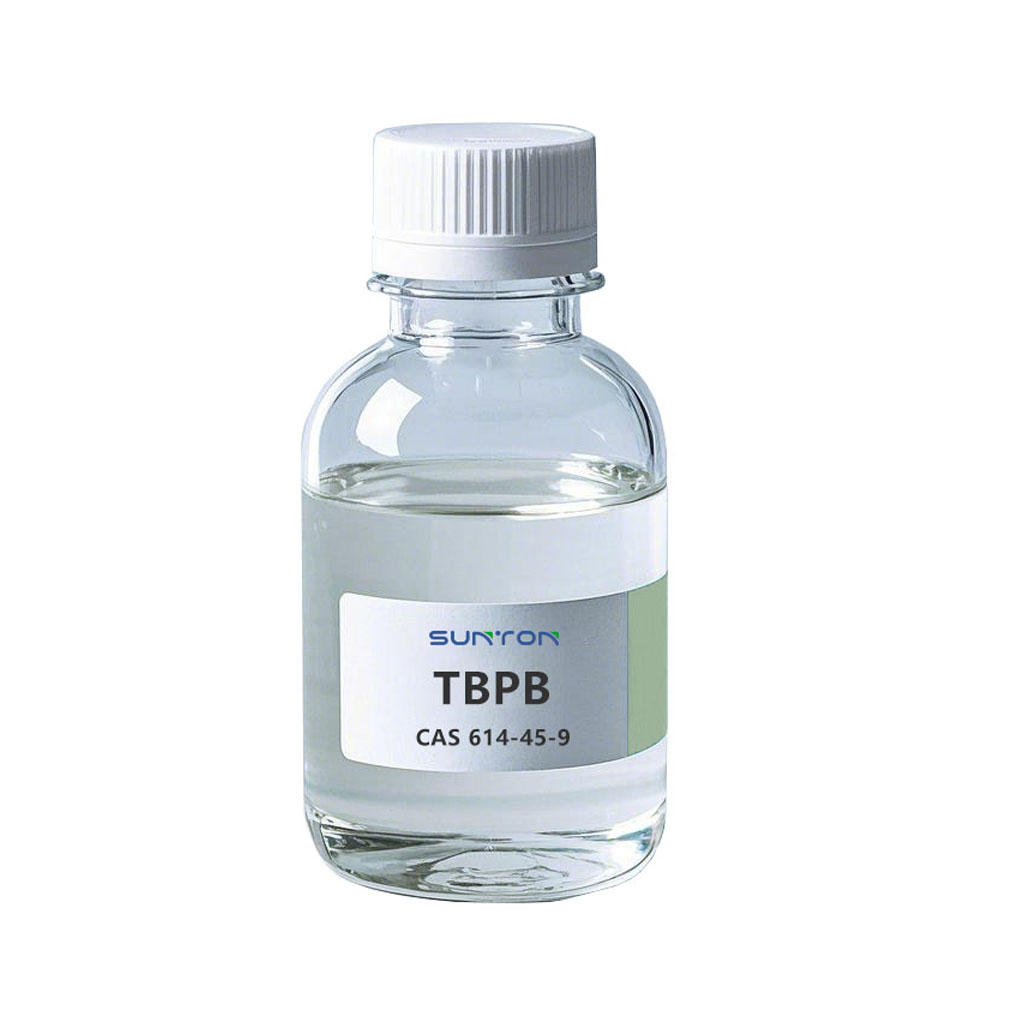
Tert-Butyl peroxybenzoate(TBPB)
-
Benzoyl Peroxide(BPO)
-
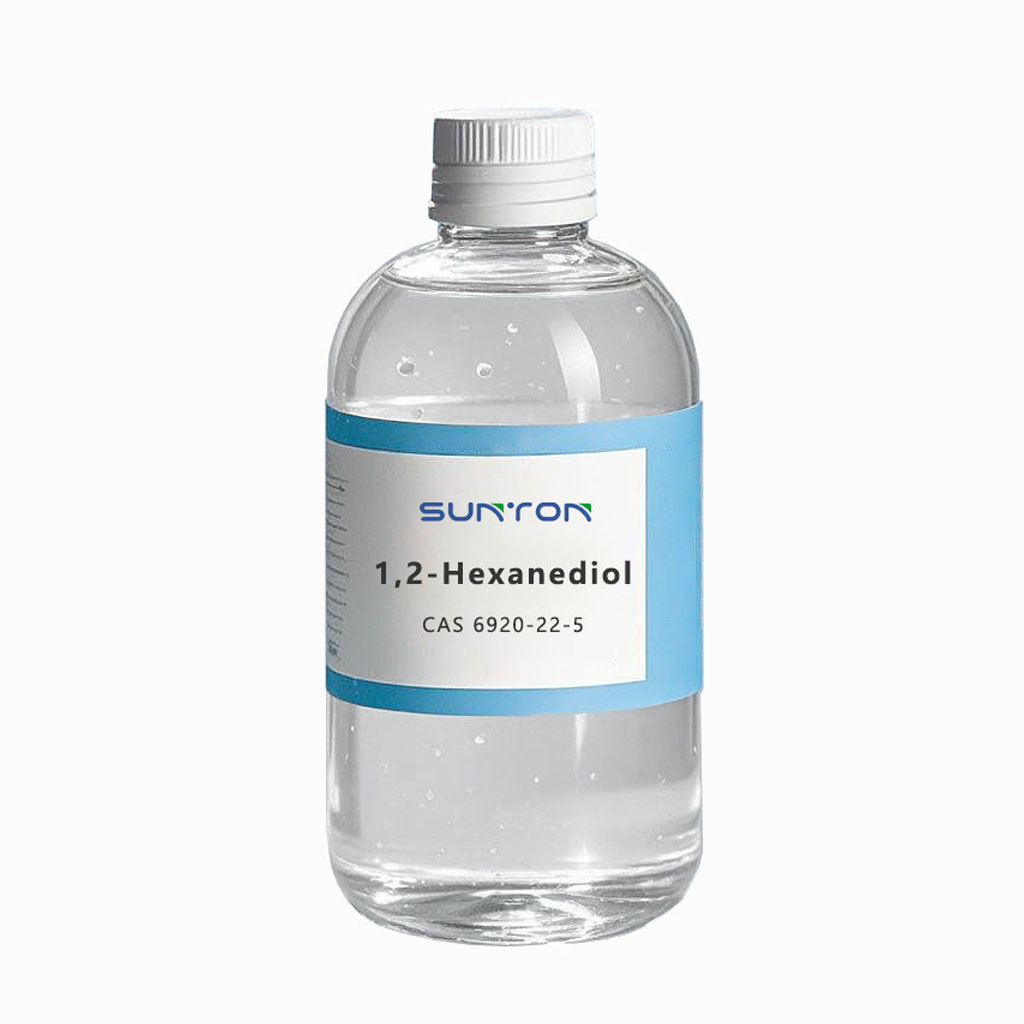
1,2-Hexanediol
-
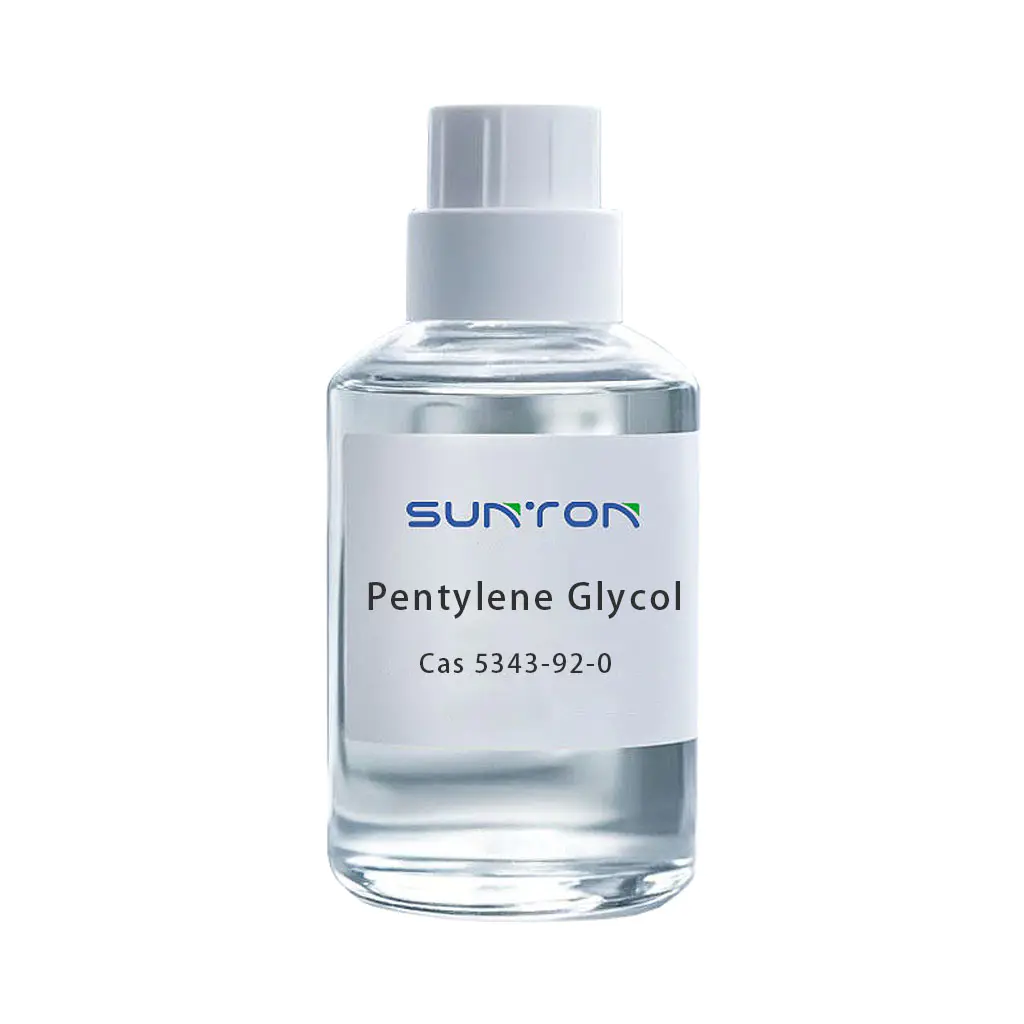
Pentylene Glycol
-
Caprylohydroxamic Acid
-
Melamine Cyanurate
-
Di-Tert-Butyl Peroxide(DTBP)
-
XPS Special Masterbatch
COMPANY PROFILE
CONTACT INFO
- Phone: +86 18114870532
- Tel: +86 510-86686637
- Email: [email protected]
- Add: No.5 Shuangquan village, Diaoqi village., Xuxiake Town, Jiangyin, Jiangsu, China

Copyright © Jiangsu Suoteng New Material Technology Co., Ltd. All Rights Reserved.Custom Chemicals Organic Compounds Manufacturers
 Disclaimer
Privacy
苏ICP备2024090995号
Disclaimer
Privacy
苏ICP备2024090995号