
 English
 中文简体
中文简体
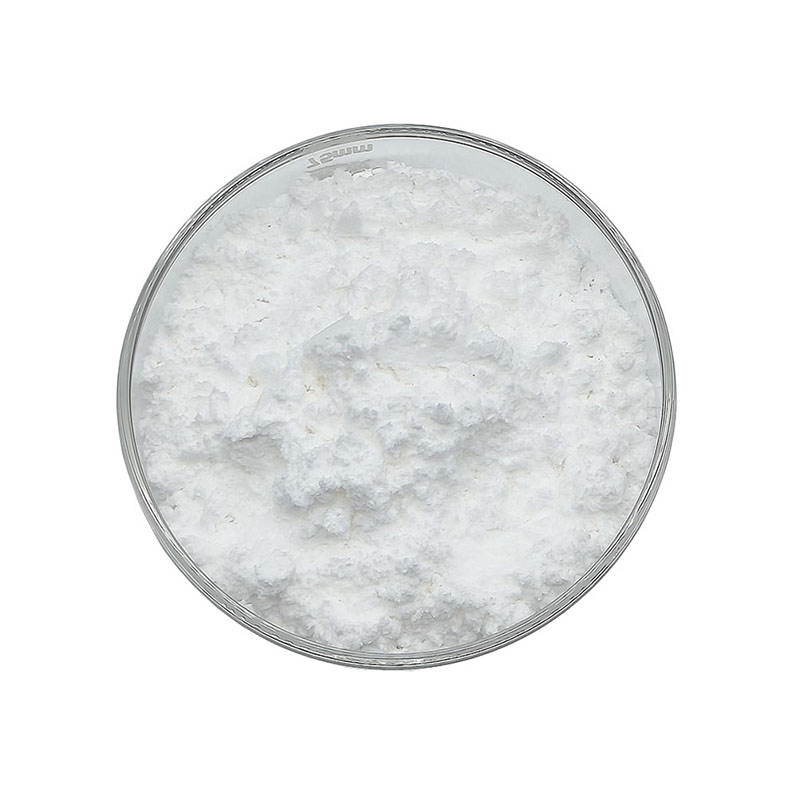
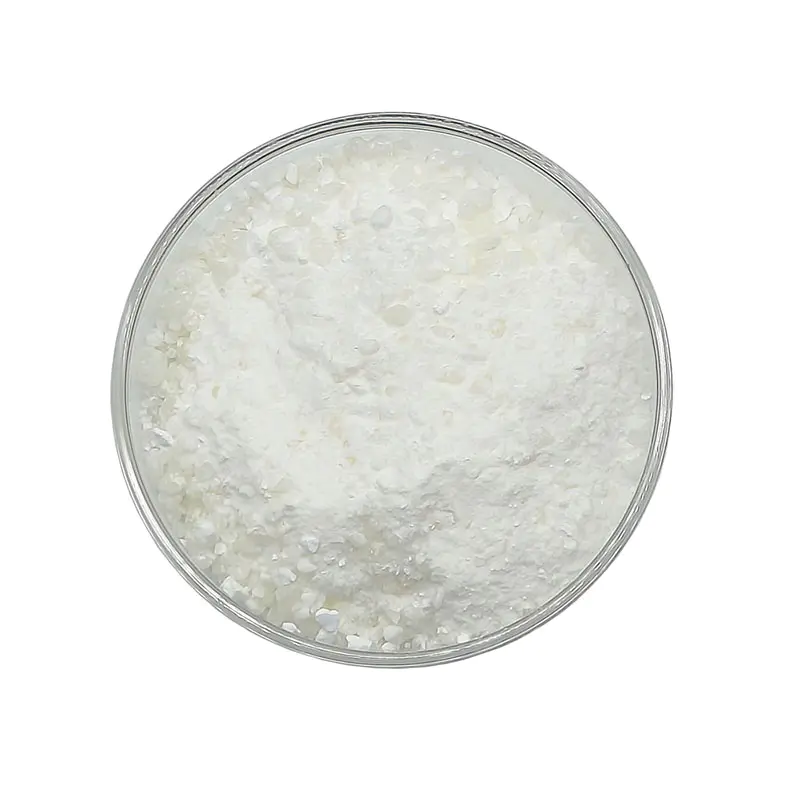
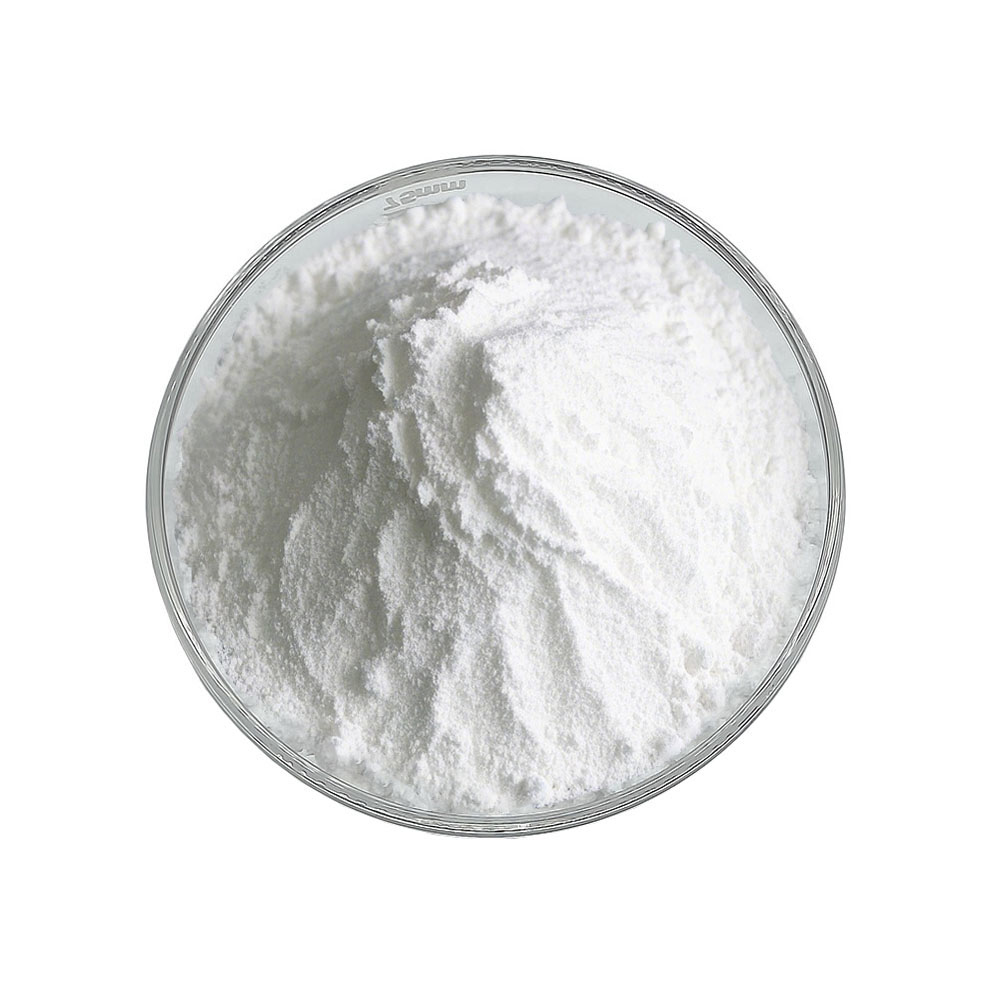
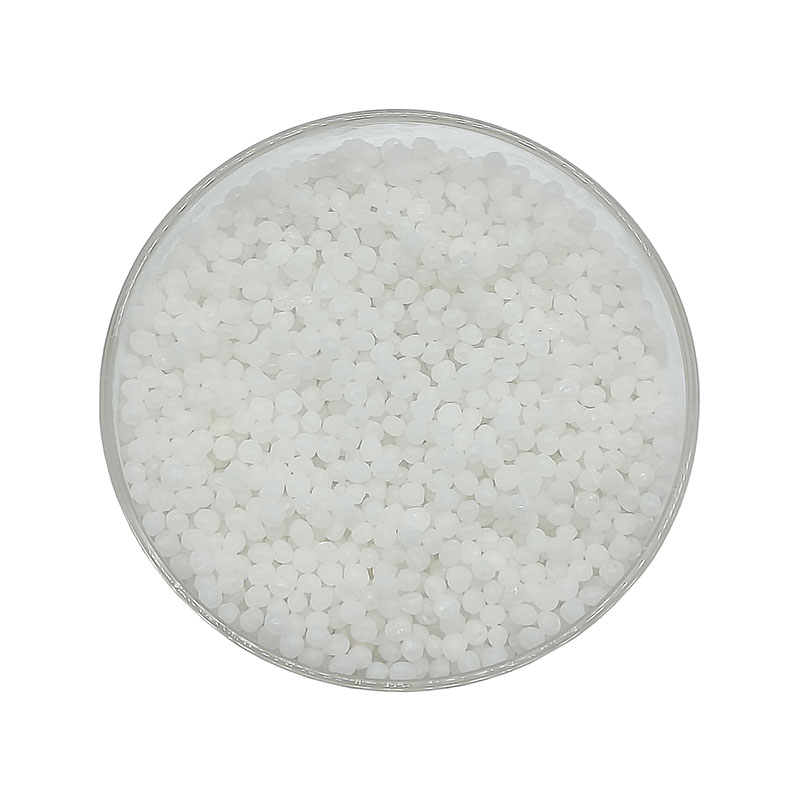
![1,1'-(isopropylidene)bis[3,5-dibromo-4-(2,3-dibromo-2-methylpropoxy)benzene]](/jssunton/2024/12/20/白底-2.jpg "1,1'-(isopropylidene)bis[3,5-dibromo-4-(2,3-dibromo-2-methylpropoxy)benzene]")
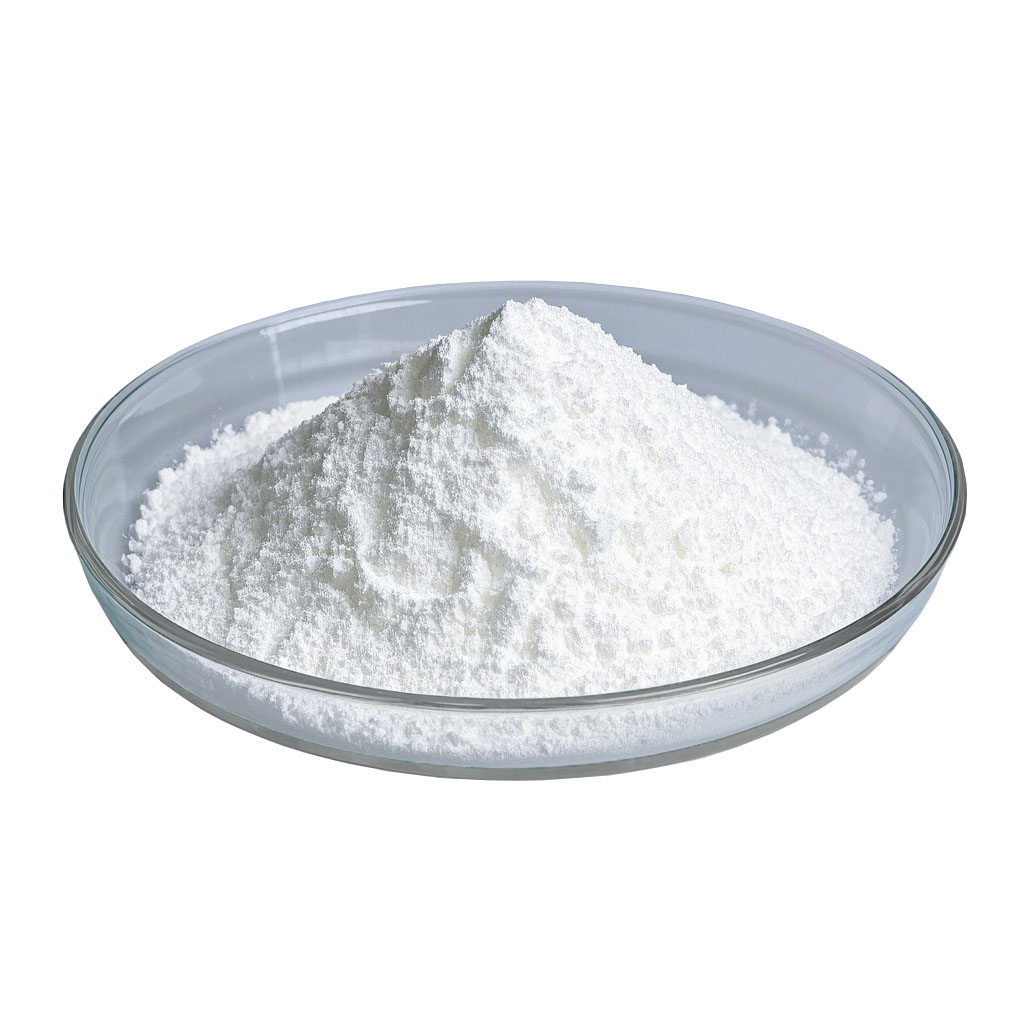
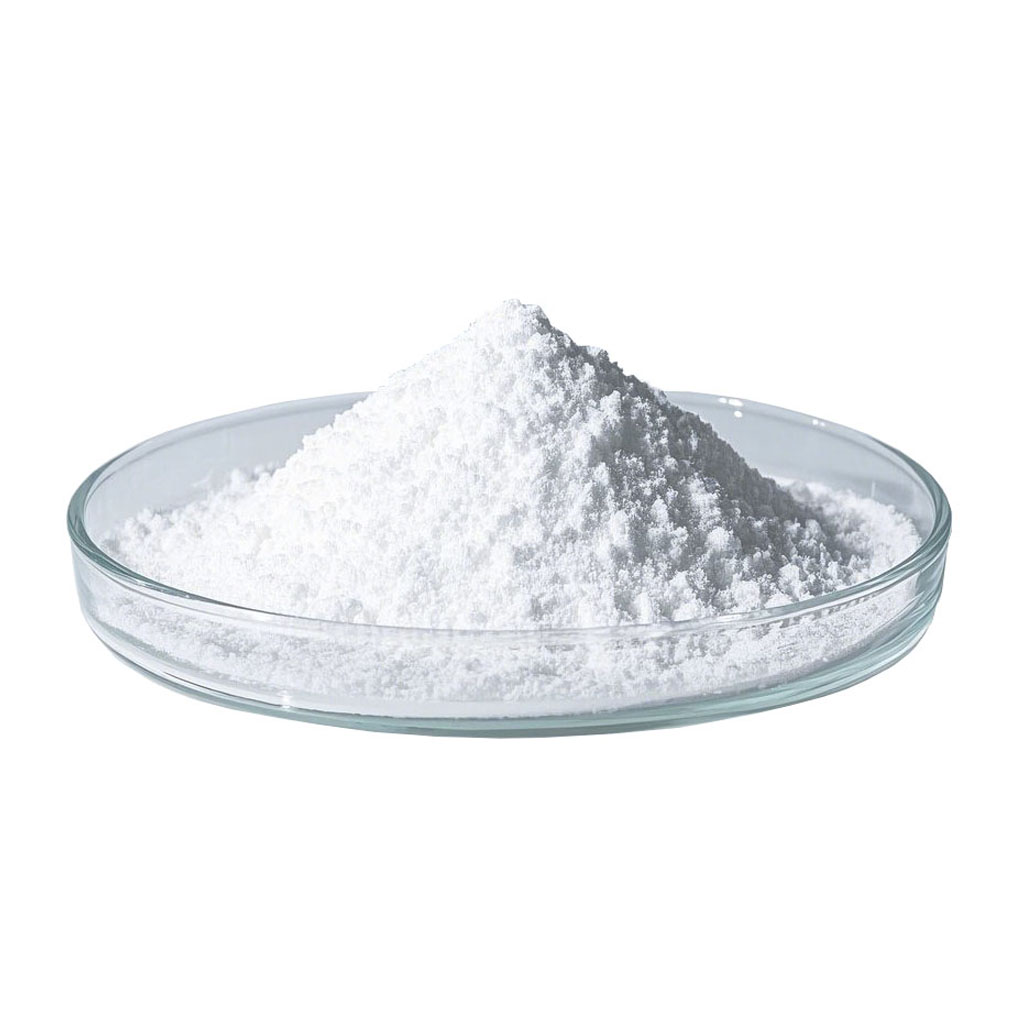
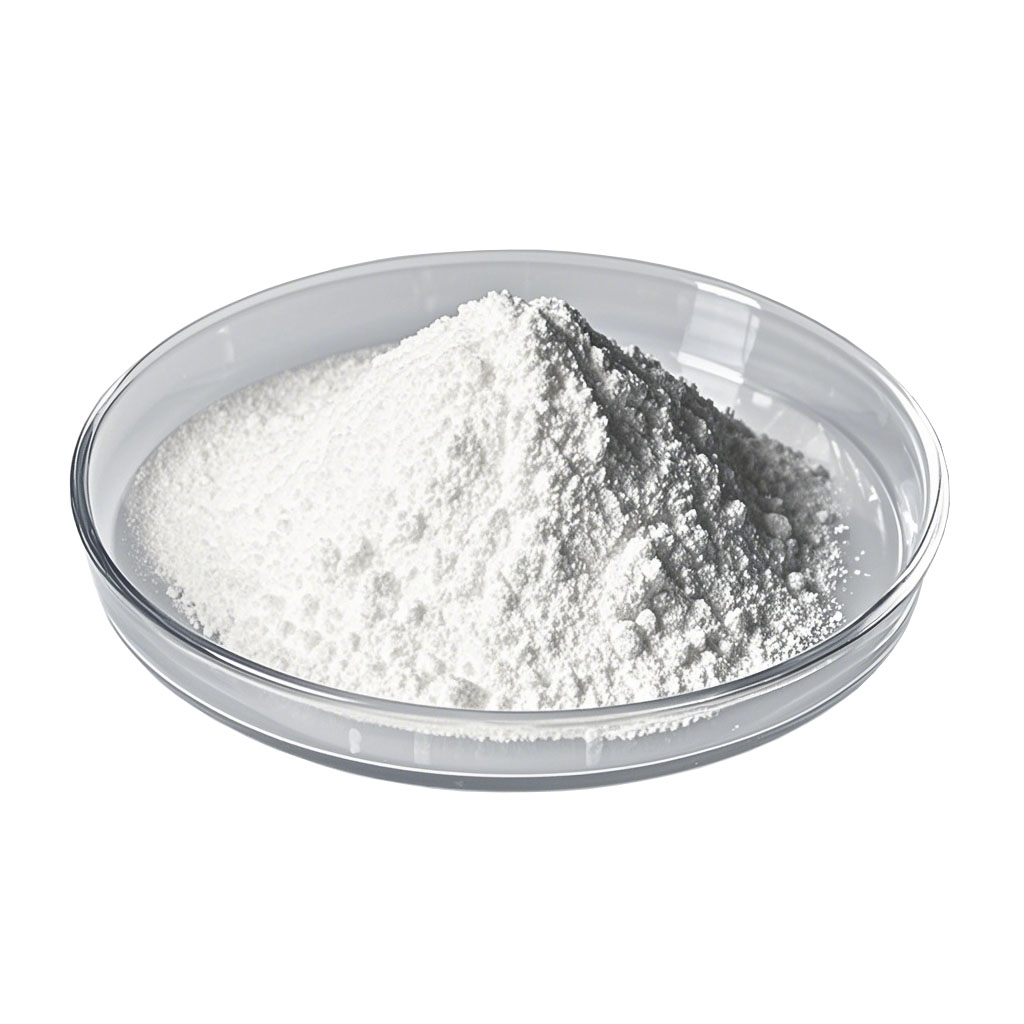




What Is Di-tert-butyl Peroxide (DTBP)? Di-tert-butyl peroxide, commonly abbreviated DTBP, is an or...
READ MOREChemicals Flame Retardants Manufacturers
Flame retardants are chemicals widely used in a variety of materials. Their main function is to inhibit the spread of flames and slow down the fire when the material burns. These flame retardants can effectively improve the flame-retardant properties of materials, thereby reducing losses and dangers caused by fires.
Flame retardant is a functional additive added to materials to prevent them from igniting or inhibit the spread of flames. It is widely used in fields such as plastics, textiles, electronic products, building materials, etc.
Inorganic flame retardants function by releasing water vapor and forming a protective layer. Organic flame retardants work by various mechanisms such as capturing free radicals.
However, some flame retardants have impacts on the environment, and many more environmentally friendly alternatives are now on the market.
-
![Organic Synthesis Field]()
Organic Synthesis Field
-
![Agriculture Field]()
Agriculture Field
-
![Fuels And Coatings Industry]()
Fuels And Coatings Industry
-
![Transportation]()
Transportation
-
![Electronic Andelectrical Equipment]()
Electronic Andelectrical Equipment
-
![Textile Fabrics]()
Textile Fabrics
-
![Hair Care Products]()
Hair Care Products
-
![Makeup Products]()
Makeup Products
-
![Skin Care Products]()
Skin Care Products
Application Scenarios
Mainly used in polymer industry, coatings and paints, fibers and textiles, food packaging, agricultural chemicals and other fields
Why Choose Us?
-

Quality
-

Customization
-

Cost
-

Capacity
-

Service
-
We have our own testing lab and the advanced and complete inspection equipment, which can ensure the quality of the products.
-
We have a strong R&D team, we can customize and produce products according to the customers' requirements.
-
We own three factories of our own. So we can provide preferential prices and good products directly.
-
Our annual production capacity is over 20000 tons, we can meet the needs of different customers with different purchase quantities.
-
We focus on developing high-quality products for top-end markets. Our products are in line with international standards, and are mainly exported to European, American, and Asian countries.
Jiangsu Suoteng New Material Technology Co., Ltd.
Jiangsu Suoteng New Material Technology Co, Ltd. located in Yangtze River Industrial Park, Jiangyin City, Jiangsu Province, is a high-tech modern enterprise specializing in the R&D, production, and distribution of cosmetic ingredients, organic intermediates, and chemical additives. With a robust core technical R&D team and a comprehensive innovation system, the company maintains strategic scientific planning and a steadfast commitment to self-driven innovation. It adopts a highly efficient modern management model to deliver comprehensive product and technical services to global clients.
SUNTON operates two production bases and two R&D centers, independently developing, manufacturing, and marketing cosmetic ingredients, flame retardants, and organic intermediates. The company is dedicated to providing safer, more efficient, and sustainable raw materials for the beauty and personal care industries.
Currently, SUNTON focuses on the R&D and production of:
- Cosmetic-grade ingredients: 1,2-Pentanediol/Pentylene glycol (CAS 5343-92-0), 1,2-Hexanediol (CAS 6920-22-5), and Caprylhydroxamic Acid (CAS 7377-03-9).
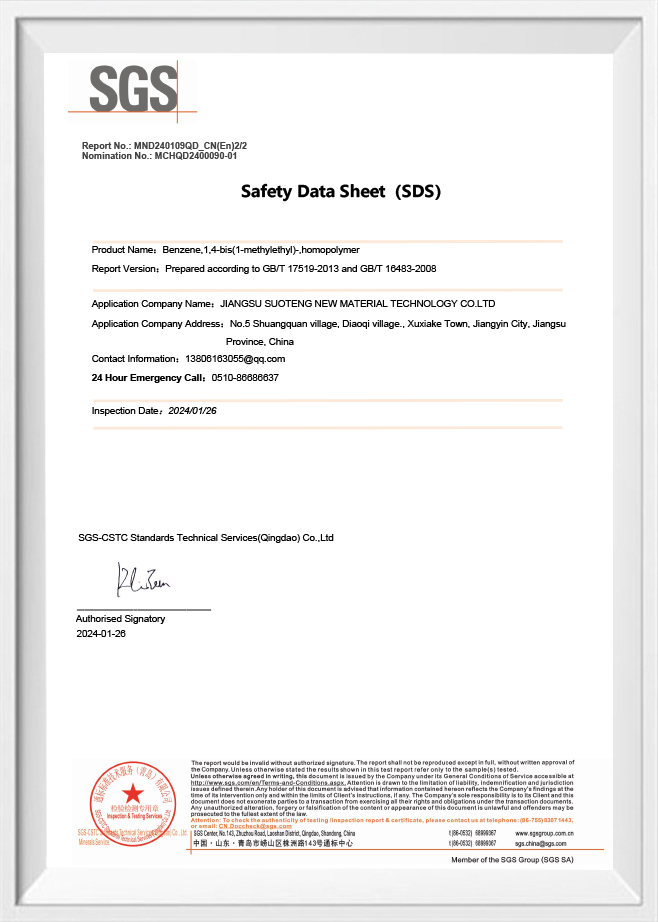
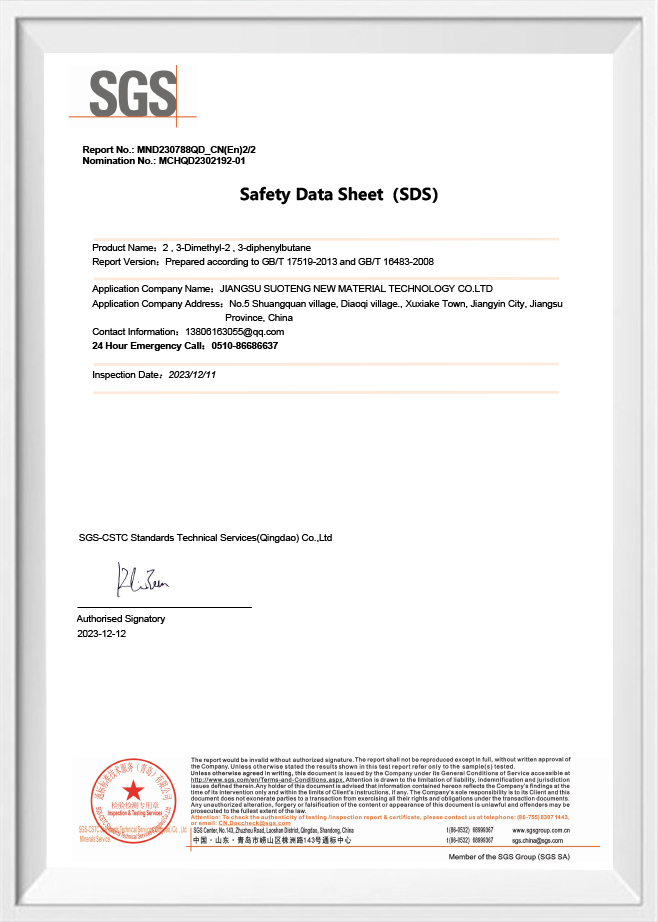
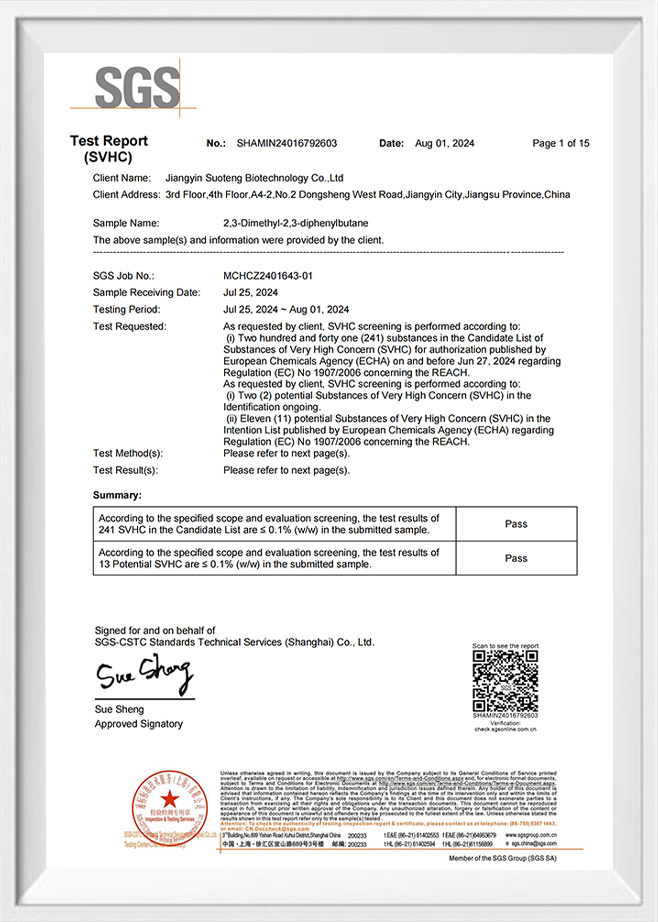
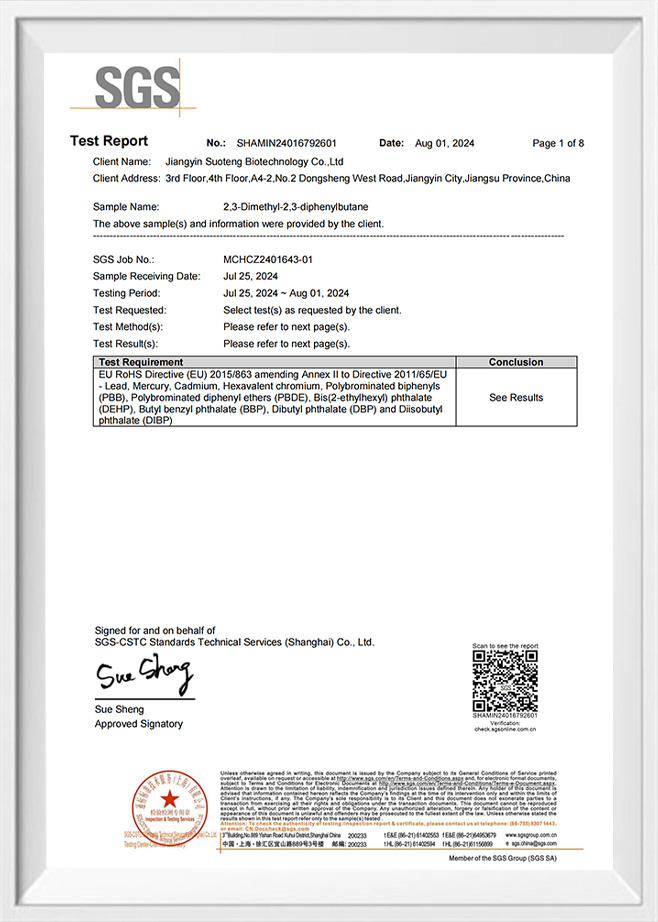
- Flame retardant synergists: 2,3-Dimethyl-2,3-diphenylbutane (CAS 1889-67-4) and Benzene,1,4-bis(1-methylethyl)-,homopolymer (CAS 25822-43-9).
- Intermediates: Acethydrazide (CAS 1068-57-1) and 2-Hydroxyethylhydrazine (CAS 109-84-2).
We prioritizes innovation, safety, and environmental sustainability to meet evolving market demands worldwide.
-
0+
Annual Output
-
0+
Global Cooperative Customers
-
0+
Technical Staff
-
0+m²
Advanced Factory
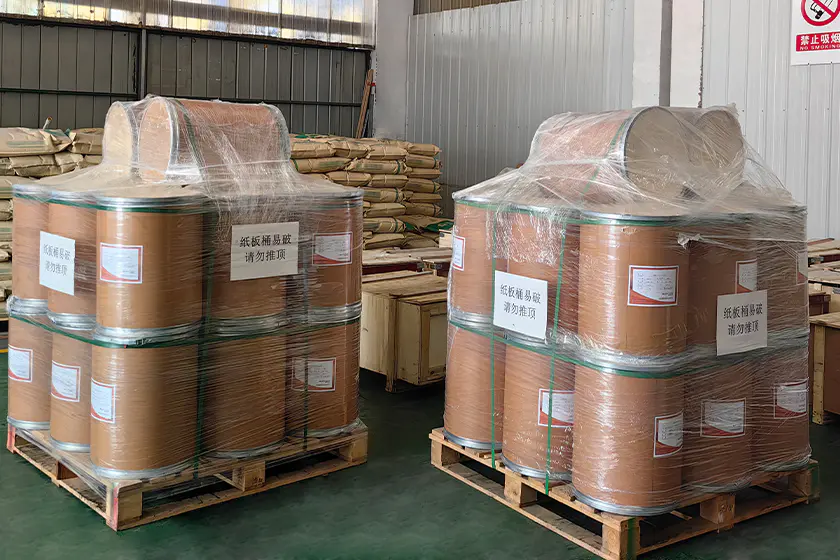
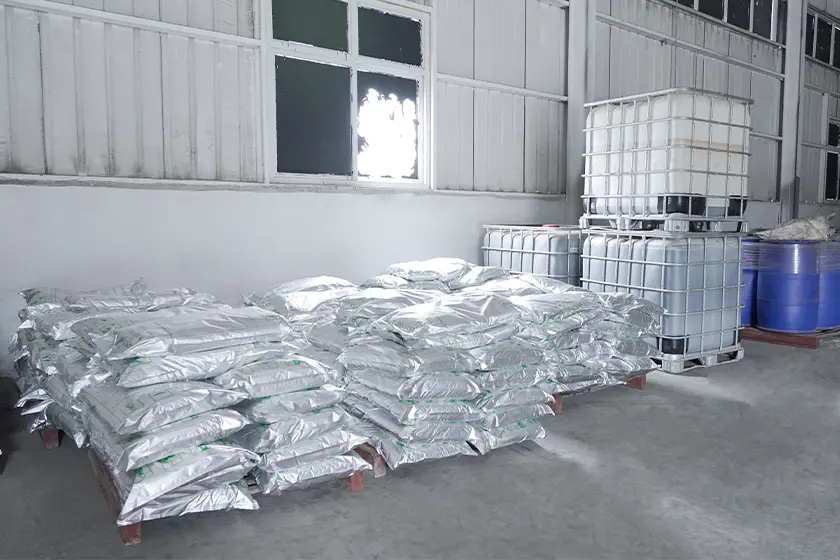
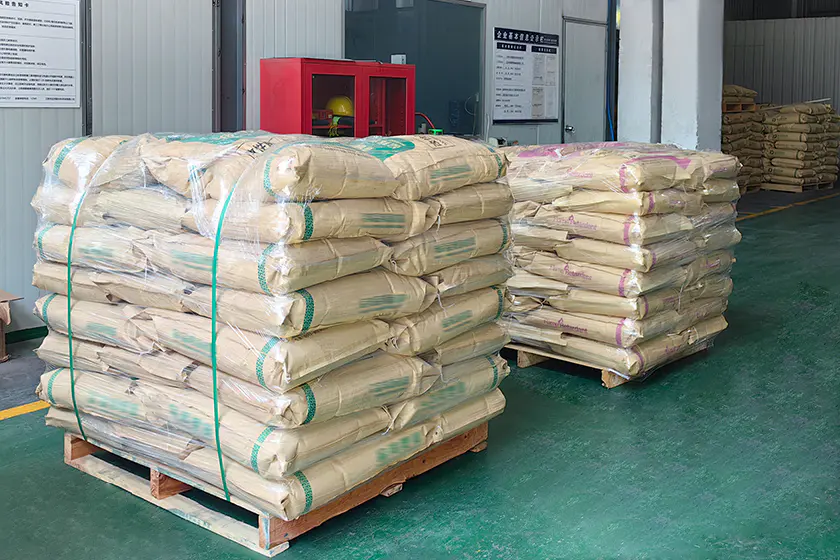
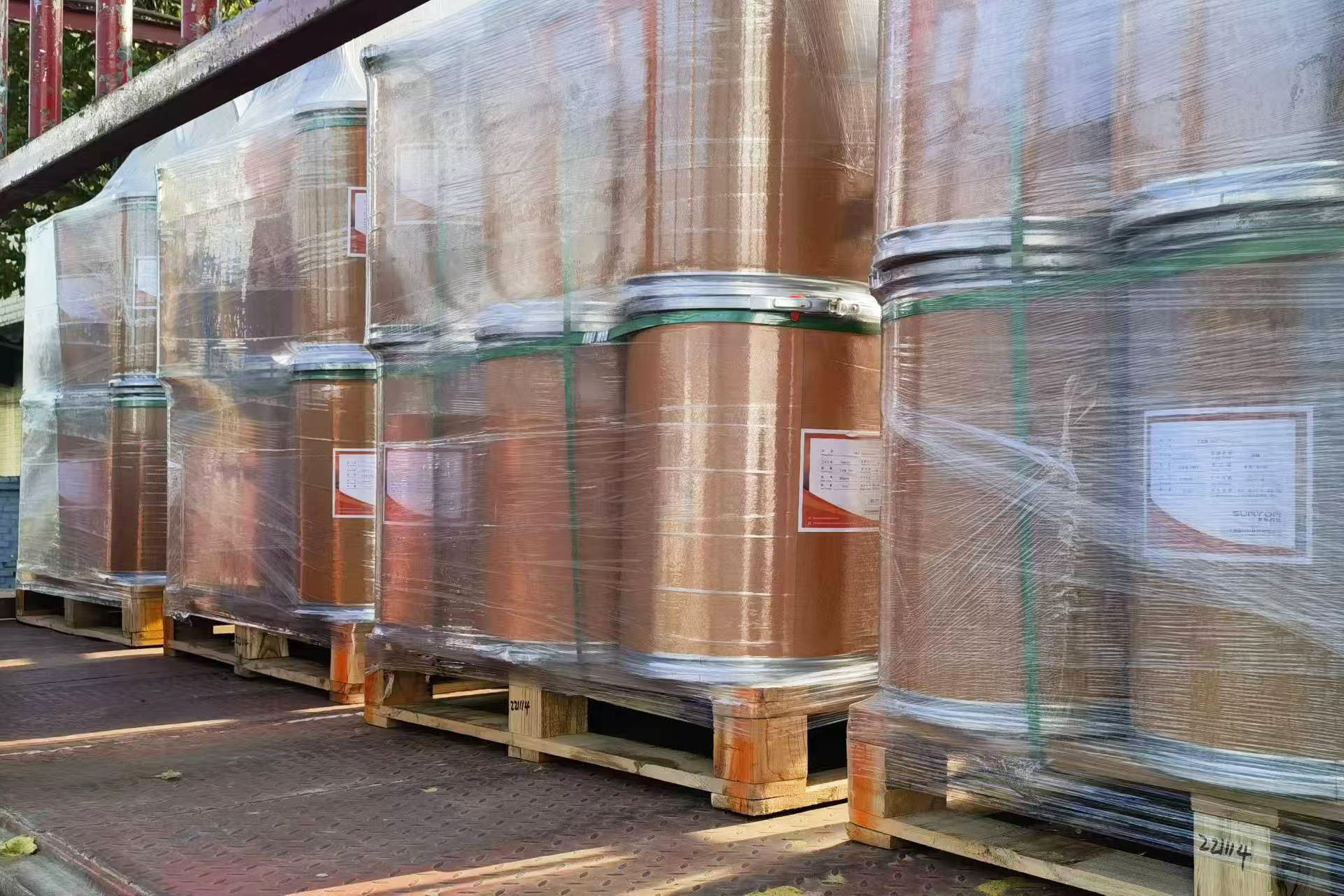
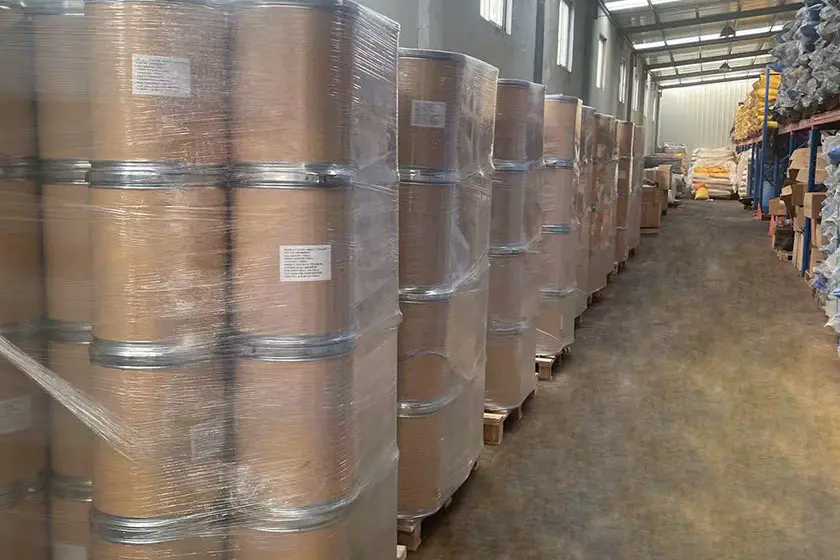
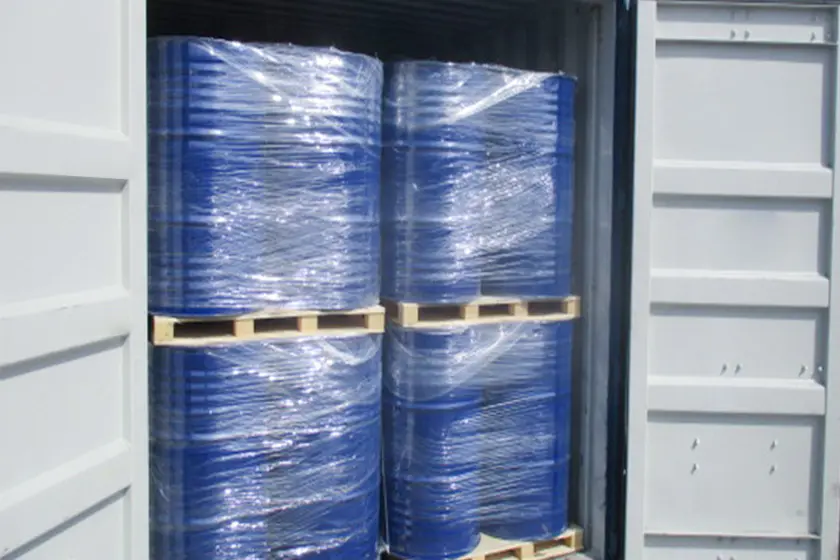
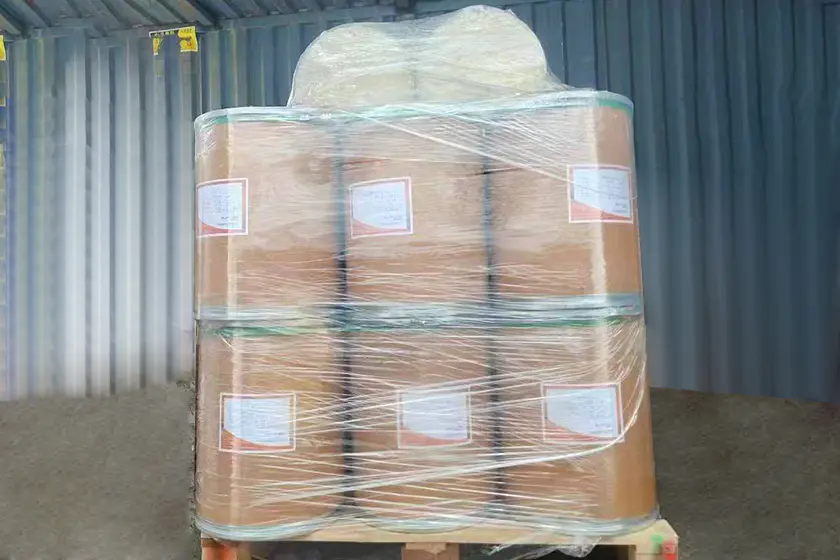
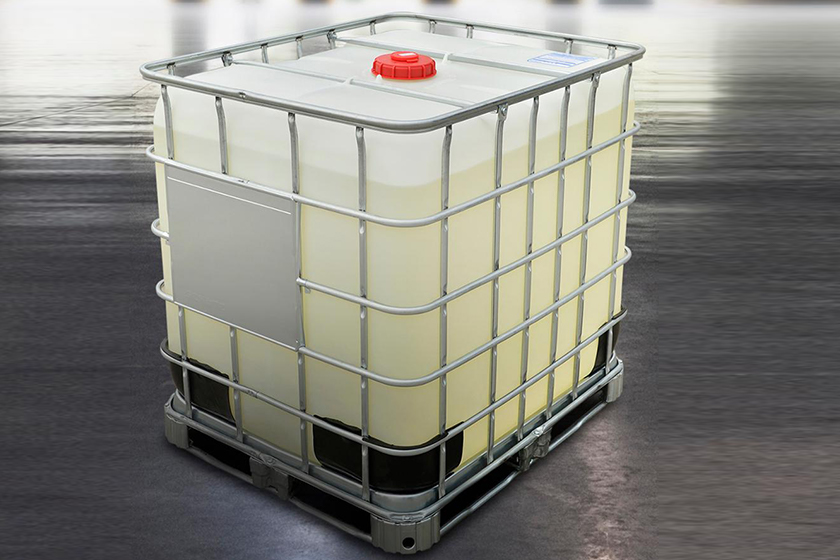
Packaging & Shipping
Exhibition
Certificate Of Honor
News
-
-
Choosing the right dosage of Di-Tert-Butyl Peroxide (DTBP) for a given polymer system comes down t...
READ MORE -
An XPS special masterbatch is a concentrated additive pellet — combining pigments, flame retardants...
READ MORE -
What Is Di-Tert-Butyl Peroxide and Why Does It Matter in Industry Di-Tert-Butyl Peroxide (DTBP), wi...
READ MORE -
What Is Melamine Cyanurate? Melamine Cyanurate (MCA), with the chemical formula C₆H₉N₉O₃, is a whit...
READ MORE
Message Feedback
Flame Retardants Industry knowledge
Exploring Effective Flame Retardants: Applications and Considerations
Flame retardants are chemical substances added to materials to prevent or slow the spread of fire. They are used in a variety of products including electronics, building materials, textiles, and furnishings.
2,3-Dimethyl-2,3-Diphenylbutane (DMDPB)
2,3-Dimethyl-2,3-Diphenylbutane (DMDPB) is a highly effective flame retardant. It is typically added to polymers to enhance their resistance to ignition and reduce the rate of flame spread. DMDPB operates primarily in the gas phase by interfering with the combustion process, effectively acting as a radical scavenger. Its application is widespread in the production of flame-resistant plastics used in electronic devices and other high-risk areas where fire safety is paramount.
Benzene, 1,4-bis(1-methylethyl)-, Homopolymer
This compound is a homopolymer of benzene, specifically 1,4-bis(1-methylethyl)benzene, also known as poly(para-tert-butylstyrene). It is utilized as a flame retardant in various polymeric materials. This homopolymer works by promoting charring and forming a protective barrier on the material's surface when exposed to fire. The char layer acts as an insulating barrier, slowing heat transfer and reducing the availability of combustible gases, thus enhancing the material's overall fire resistance.
1,1'-(Isopropylidene)bis[3,5-dibromo-4-(2,3-dibromo-2-methylpropoxy)benzene]
This flame retardant is a brominated aromatic compound. It contains multiple bromine atoms, which are highly effective in flame retardancy. When exposed to fire, the bromine atoms help quench free radicals in the combustion zone, interrupting the chemical reactions that sustain the flame. This compound is often used in high-performance applications such as electronic housings, automotive components, and construction materials where superior flame retardant properties are required.
XPS Special Masterbatch
XPS (Extruded Polystyrene) Special Masterbatch refers to a concentrated mixture of flame retardants incorporated into polystyrene. Masterbatches are used to uniformly disperse flame retardant additives throughout a polymer matrix during the manufacturing process. XPS is commonly used in insulation materials due to its excellent thermal properties. The flame retardants in the special masterbatch help the polystyrene resist ignition and reduce the spread of flames, making it a crucial component in building and construction materials.
Decabromodiphenyl Ethane (DBDPE)
Decabromodiphenyl Ethane (DBDPE) is another highly effective brominated flame retardant. It is particularly noted for its stability and low volatility, making it suitable for use in a wide range of polymeric systems including high-impact polystyrene, polypropylene, and polyethylene. DBDPE works by releasing bromine atoms at high temperatures, which then interact with the free radicals in the flame, reducing the flame's energy and slowing the combustion process. It is used in applications such as electronic enclosures, cables, and automotive interiors where stringent fire safety standards must be met.
COMPANY PROFILE
Jiangsu Suoteng is a professional manufacturer of these products:
2,3-Dimethyl-2,3-diphenylbutane (DMDPB); Benzene,1,4-bis(1-methylethy1)-, homopolymer and peroxide series.
CONTACT INFO
- Phone: +86 181-1487-0532
- Tel: +86 510-86686637
- Email: [email protected]
- Add: No.5 Shuangquan village, Diaoqi village., Xuxiake Town, Jiangyin, Jiangsu, China

Copyright © Jiangsu Suoteng New Material Technology Co., Ltd. All Rights Reserved. Wholesale Chemicals Flame Retardants Manufacturers
 Disclaimer
苏ICP备2024090995号
Disclaimer
苏ICP备2024090995号
SUNTUN respects the privacy of your data
We use cookies to give you the best browsing experience on our website. By clicking the button, you agree to receive and store cookies on our site. You can allow, block or delete cookies installed on your computer by configuring your browser options installed on your computer. Please see our Data Protection Statement for more information.
Accept